Streamlining fragmented
lab systems within
legacy constraints
01 OVERVIEW
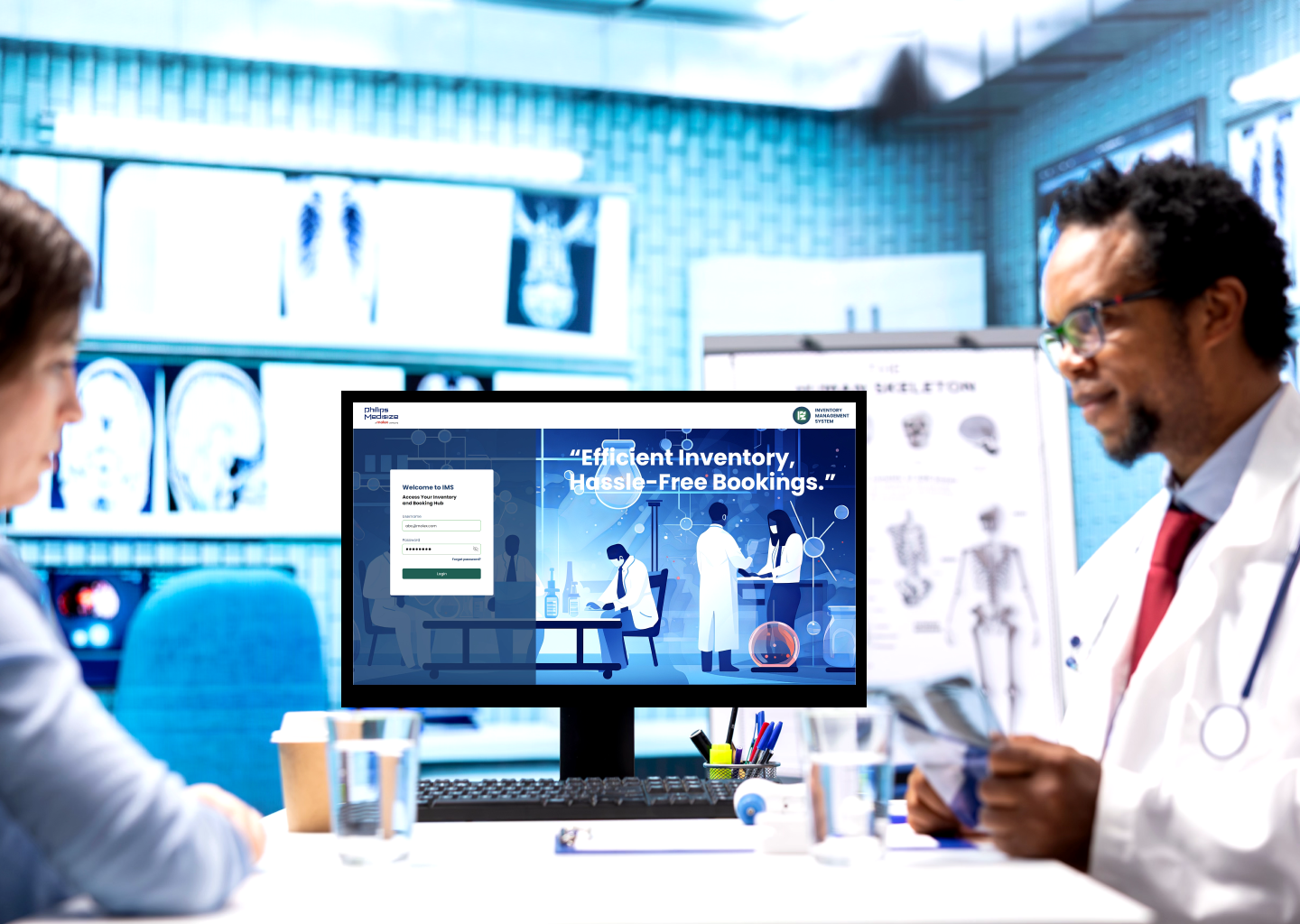
Phillips-Medisize is a global leader in designing and manufacturing drug delivery, diagnostic, and medtech devices. It specialises in end-to-end solutions, from concept and design to production and supply chain management. The company partners with pharmaceutical and healthcare brands to bring innovative, high-quality medical products to market.
02 ROLE
In house Designer
I was at Koch doing data analytics projects… until Philips Medisize (through Molex) said 'we have a situation.
Problem Discovery
- Equipment bookings are managed manually using physical paper records
- Inventory is tracked through separate Excel files across departments, with no interconnectivity
- Lack of visibility into sample inventory despite cross-department dependencies
- No centralized system to track equipment usage
- Lab Managers do not receive automated maintenance notifications from SAP, despite data being recorded there
- Teams rely on manual checks in SAP for maintenance updates, increasing effort and risk of oversight
- No integrated system exists for tracking inventory and assets efficiently
03 DEFINE
Human Centric Design
Each step focused on deeply understanding users and continuously adapting to feedback, ensuring solutions aligned with real workflows.
Research
- Interviews, surveys, contextual inquiry
- Understand users, workflows, pain points
Define
- Insights & problem framing
- Personas, user stories, success metrics
Ideation
- IA, user flows, concepts, wireframes
Design
- Interactive prototypes, UI exploration
Test & Iterate
- Usability testing, feedback loops
- Continuous refinement
Build & Handoff
- Dev collaboration, specs, design systems
Measure & Optimize
- UX audits, analytics, iteration
User Insights
User research surfaced a need for instant scans, clear guidance, and trusted automation. These insights below directly shaped our product decisions.
- Users face frequent conflicts in equipment booking due to the lack of a structured, system-driven process
- There is no support for bulk booking, making repetitive tasks time-consuming and inefficient
- Inventory managers lack visibility into outward inventory details, limiting tracking and control
- Lab managers are unable to track equipment usage or identify who is using specific equipment at any given time
- Maintenance tracking is inefficient, as users must manually check SAP for updates instead of receiving automated notifications
- Users need both dark and light modes to comfortably operate in varying lab lighting conditions
- Heavy reliance on paper-based processes increases manual effort and limits sustainability goals
- There is no clear visibility into overall equipment usage across the lab
- Users depend on multiple disconnected systems to access vendor, supplier, and sponsor information
- There is no centralized way to track program ownership and user responsibilities
User Persona
Based on user research insights, we developed 4 personas that represent our key users and highlight their primary needs and pain points.

Rajesh Kumar
Bengaluru, 40 Age
Inventory Handling Manager
Rajesh is an experienced inventory manager who ensures efficient tracking and allocation of critical lab inventory to support smooth testing and assembly operations.
Pain Points
-
✕Lack of visibility into inventory movement across testing and assembly teams.
-
✕Delays in logging inventory due to manual or outdated systems.
-
✕Difficulty managing inventory with varying lifecycles (perishable vs reusable items).
-
✕Limited integration between inventory management and procurement platforms.
Goals & Needs
-
✓Ensure all incoming inventory is logged, inspected, and categorized accurately.
-
✓Maintain end-to-end traceability from receipt to testing or assembly completion.
-
✓Avoid bottlenecks caused by delayed or misplaced inventory.
-
✓Comply with strict regulatory and quality assurance standards.

Ravi
Bengaluru, 45 Age
Program Manager
Ravi is a program manager responsible for organizing and coordinating manufacturing programs, ensuring smooth collaboration across design, assembly, and testing teams.
Pain Points
-
✕Lack of proper tracking systems for programs and inventory.
-
✕Reliance on unorganized Excel templates for managing work.
-
✕No visibility once inventory moves out of stock.
-
✕Heavy dependence on offline communication to check team or equipment availability.
Goals & Needs
-
✓Make workflows more systematic and organized.
-
✓Create transparency across cross-functional teams.

Rohan
Bengaluru, 38 Age
Lab Manager
Rohan is a lab manager focused on maintaining efficient lab operations, ensuring smooth equipment usage, and fostering a collaborative and sustainable work environment.
Pain Points
-
✕Struggles to balance administrative tasks with hands-on lab responsibilities.
-
✕Unable to effectively track equipment usage.
-
✕Limited ability to drive a sustainable, paperless work environment.
-
✕Dependent on manual or delayed maintenance alerts.
Goals & Needs
-
✓Reduce paper usage and transition to digital processes.
-
✓Streamline equipment booking to save time and reduce administrative effort.
-
✓Ensure equipment is well-maintained and available when needed.
-
✓Enable efficient scheduling and access to lab equipment for experiments.

Ujwal
Bengaluru, 32 Age
Functional User / Engineer
Ujwal is a detail-oriented engineer who collaborates across teams to ensure accurate assembly and testing, while efficiently managing equipment usage and schedules.
Pain Points
-
✕Conflicts in equipment booking due to high demand and lack of systemization.
-
✕Difficulty tracking equipment bookings and assembly status.
-
✕Challenges in coordinating schedules with team members.
Goals & Needs
-
✓Efficiently schedule and access required lab equipment for experiments.
-
✓Reduce assembly errors and improve overall production efficiency.
-
✓Stay updated with industry trends and improve assembly techniques.
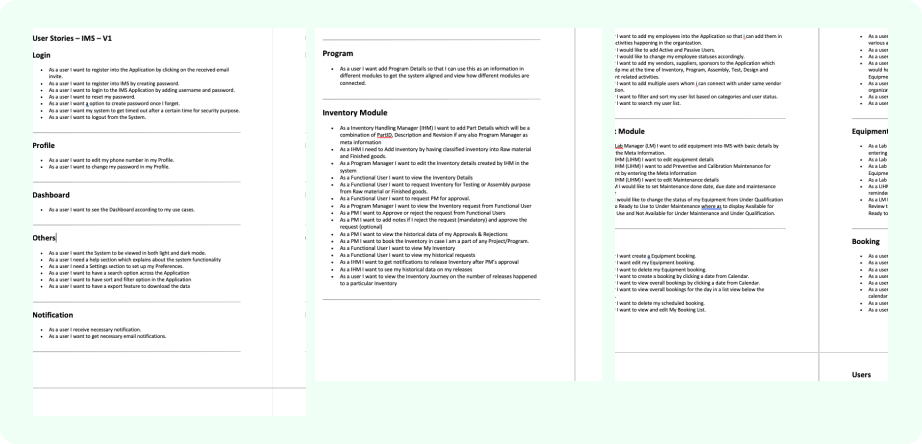
User Stories
Translated user needs into clear, actionable requirements that guide design and development.
04 IDEATION
Solution
We designed a centralized IMS (Inventory & Equipment Management System) that streamlines lab operations, improves visibility, and reduces manual effort.
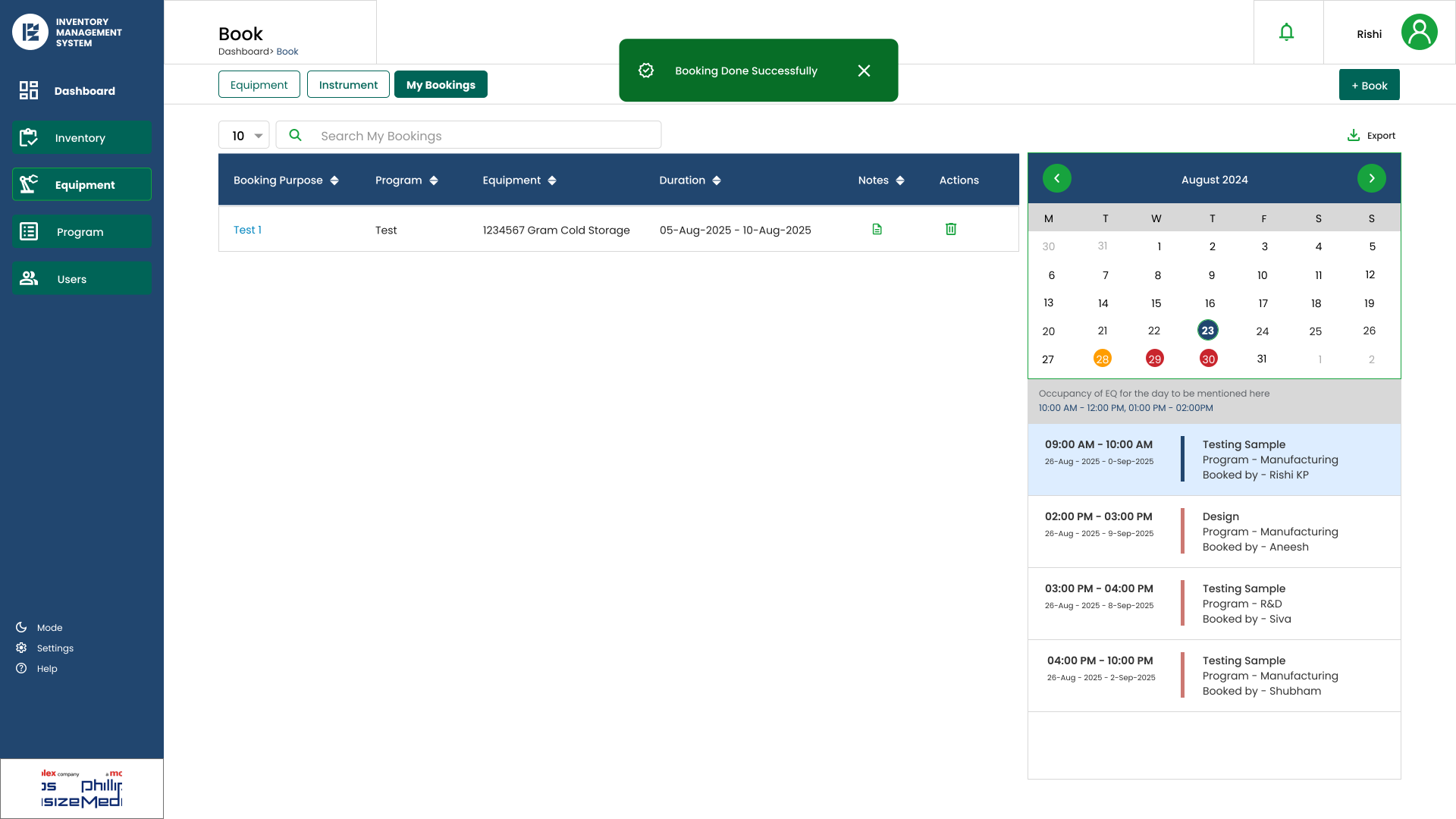
Structured Booking System
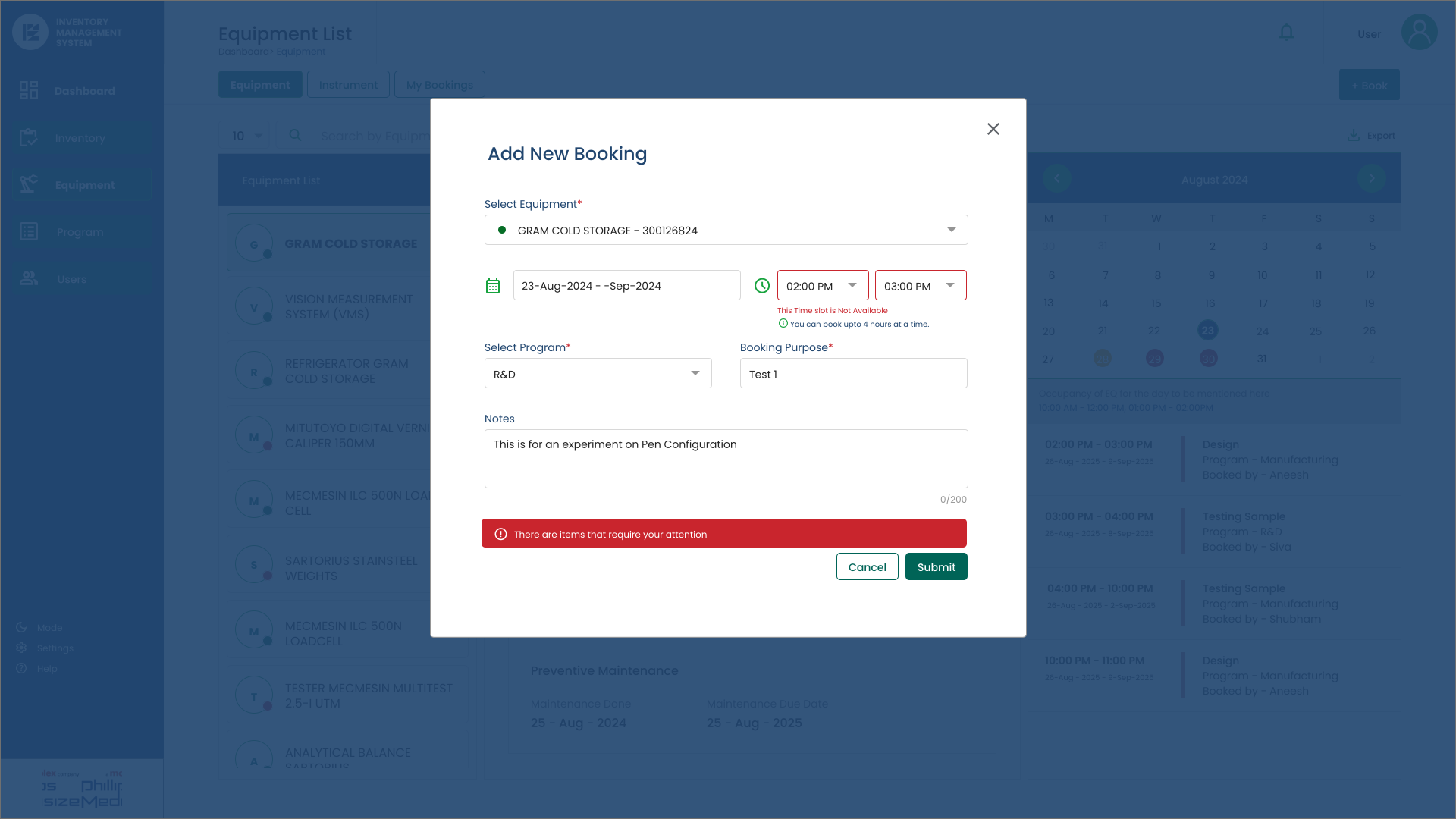
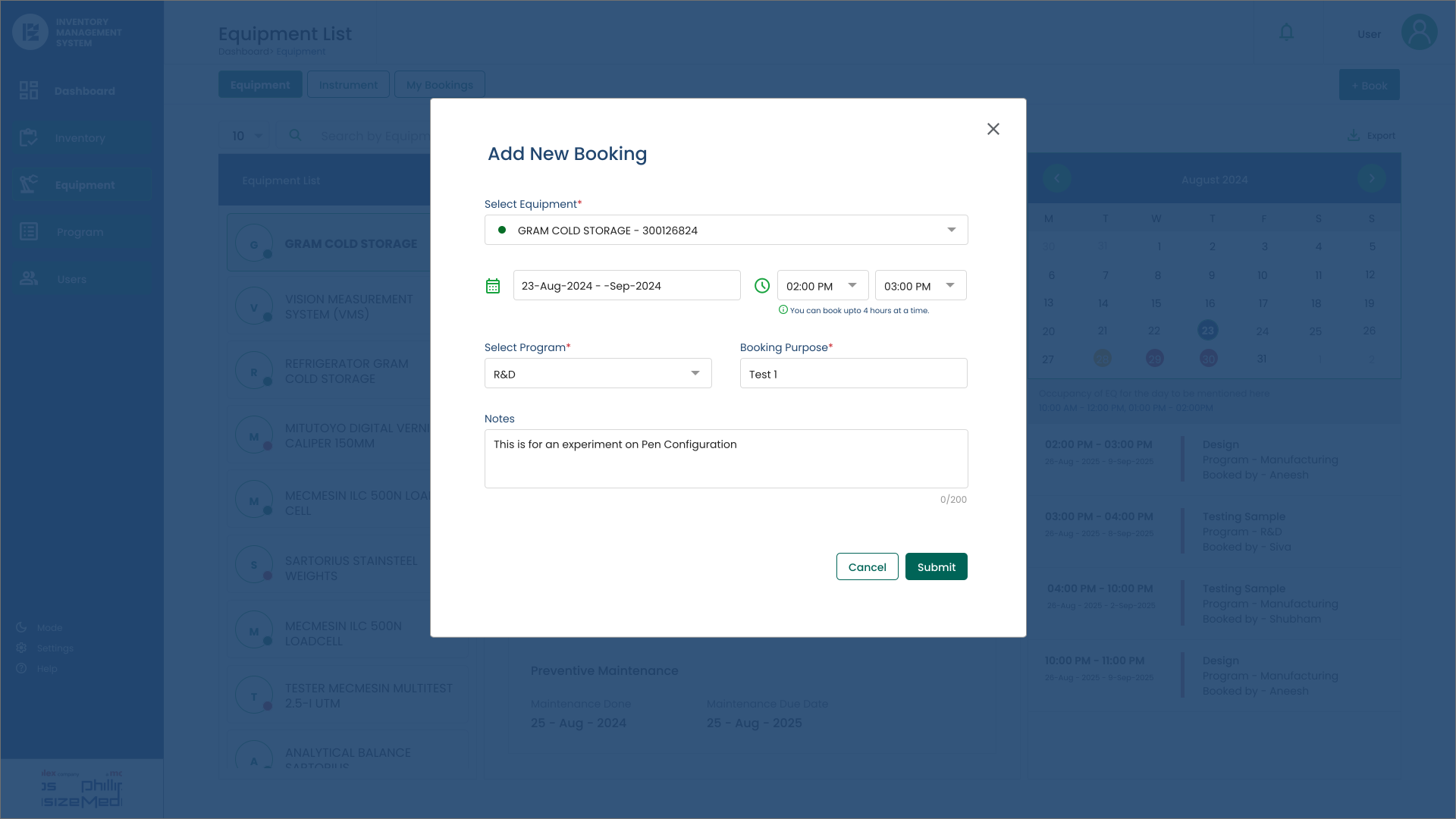
Introduced a real-time, conflict-free booking engine with calendar view, availability indicators, and validation rules to prevent overlaps.
Bulk Booking Capability
Enabled multi-date and recurring bookings to reduce repetitive actions and improve efficiency for frequent users.
Inventory Visibility & Tracking
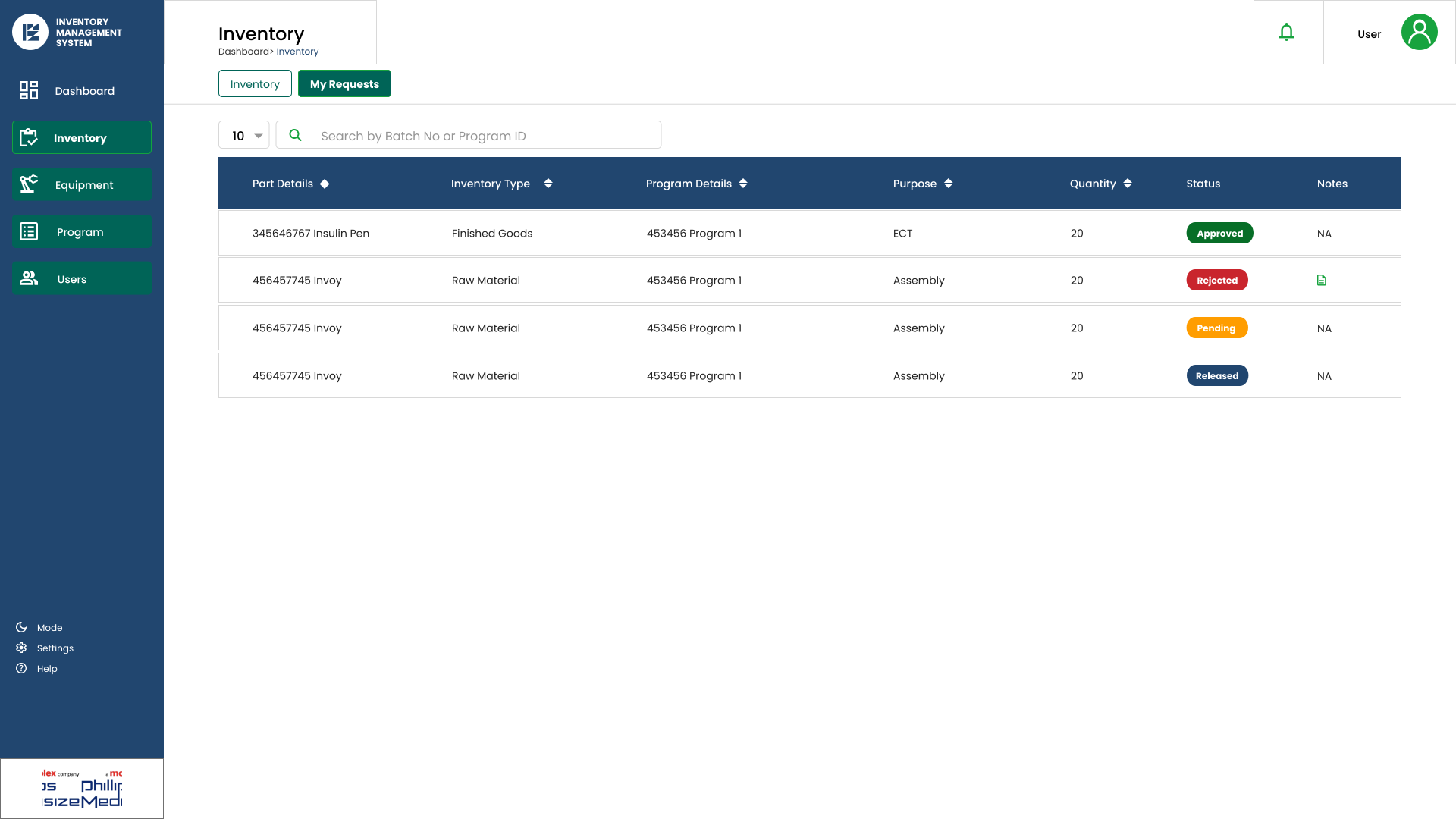
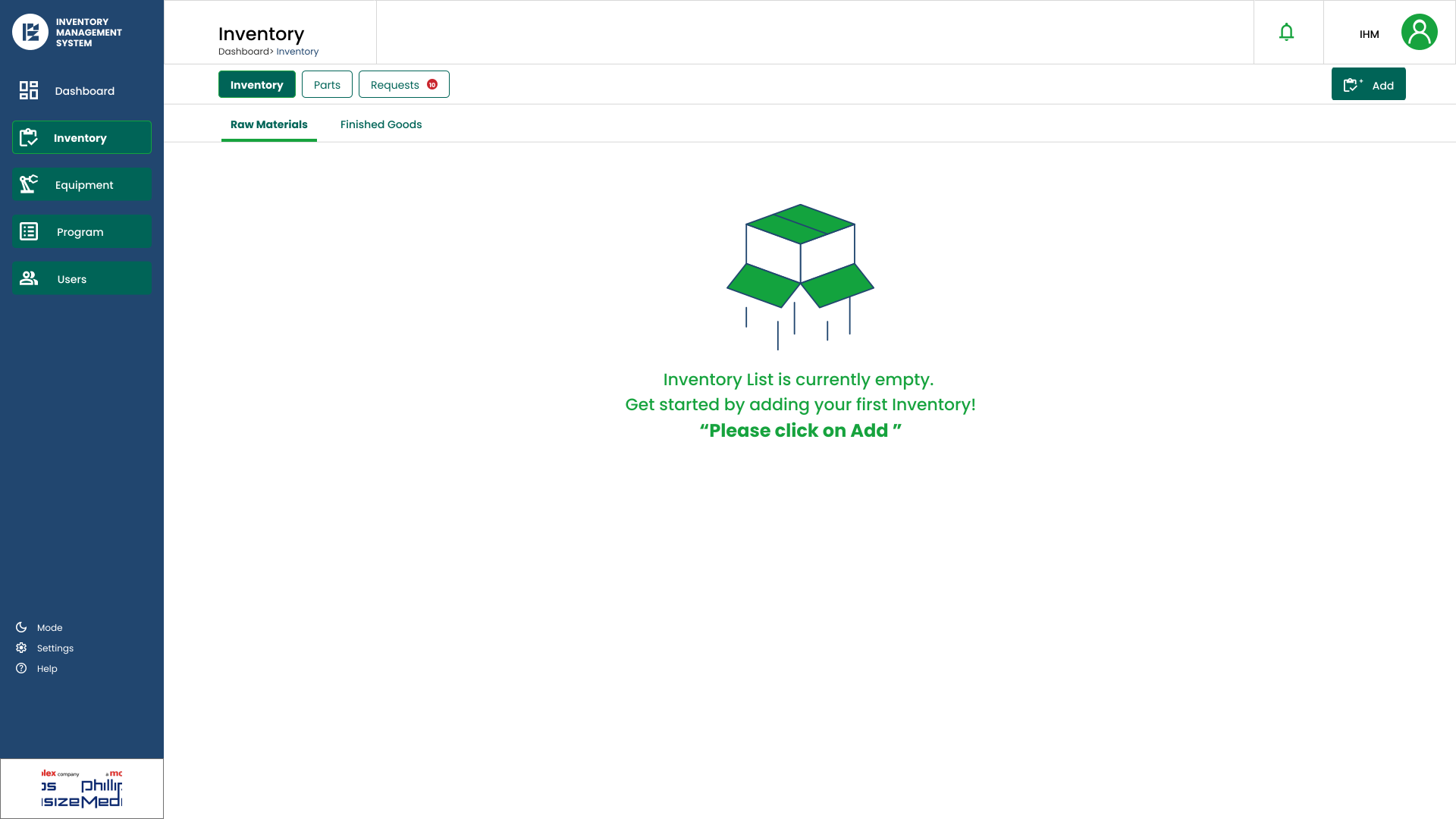
Built a unified inventory dashboard with outward tracking, status updates, and complete audit trails for better control.
Equipment Usage Transparency
Provided live equipment status (Available, In Use, Under Maintenance) along with user-level tracking to identify ownership instantly.
Automated Maintenance Alerts
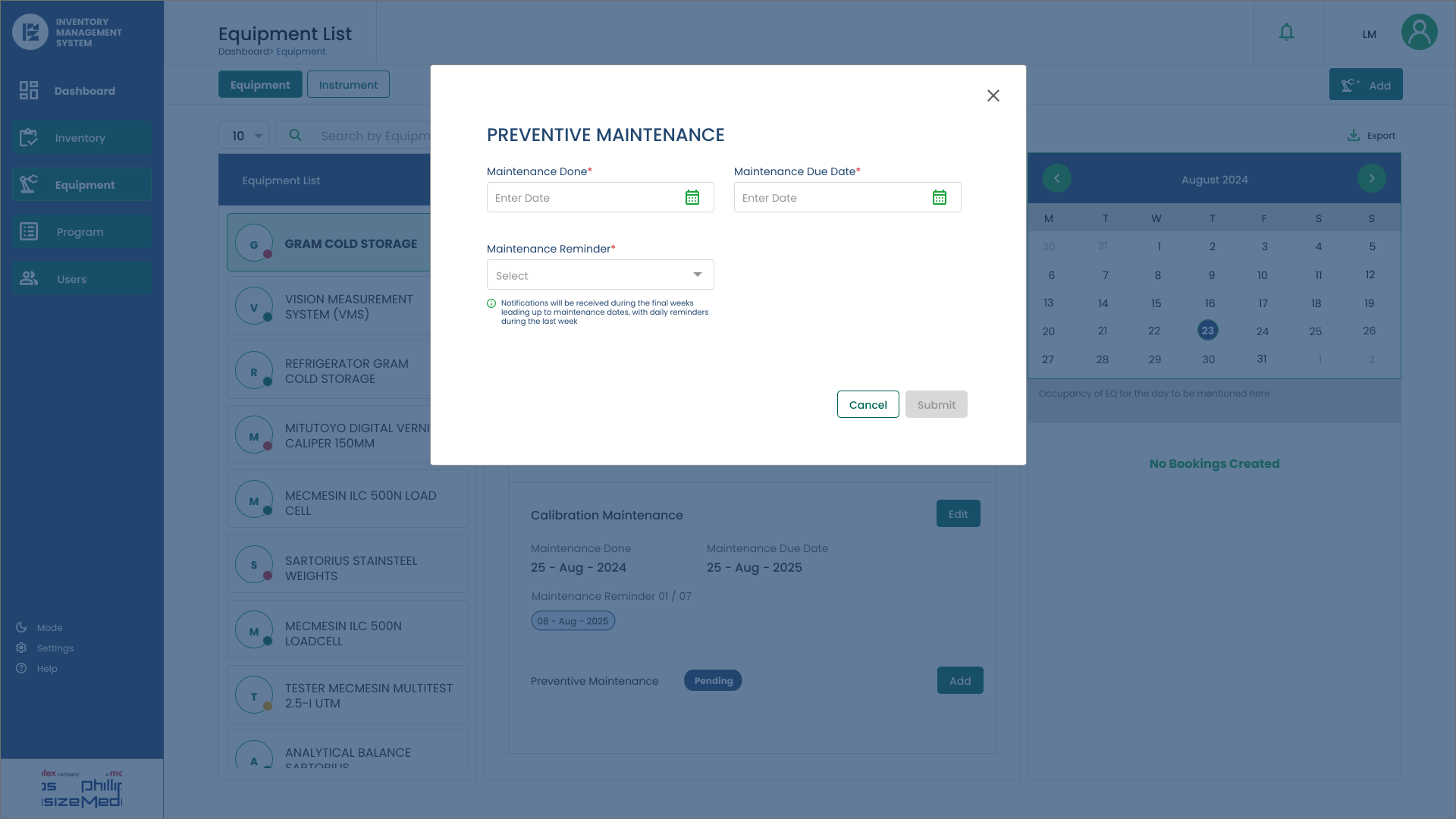
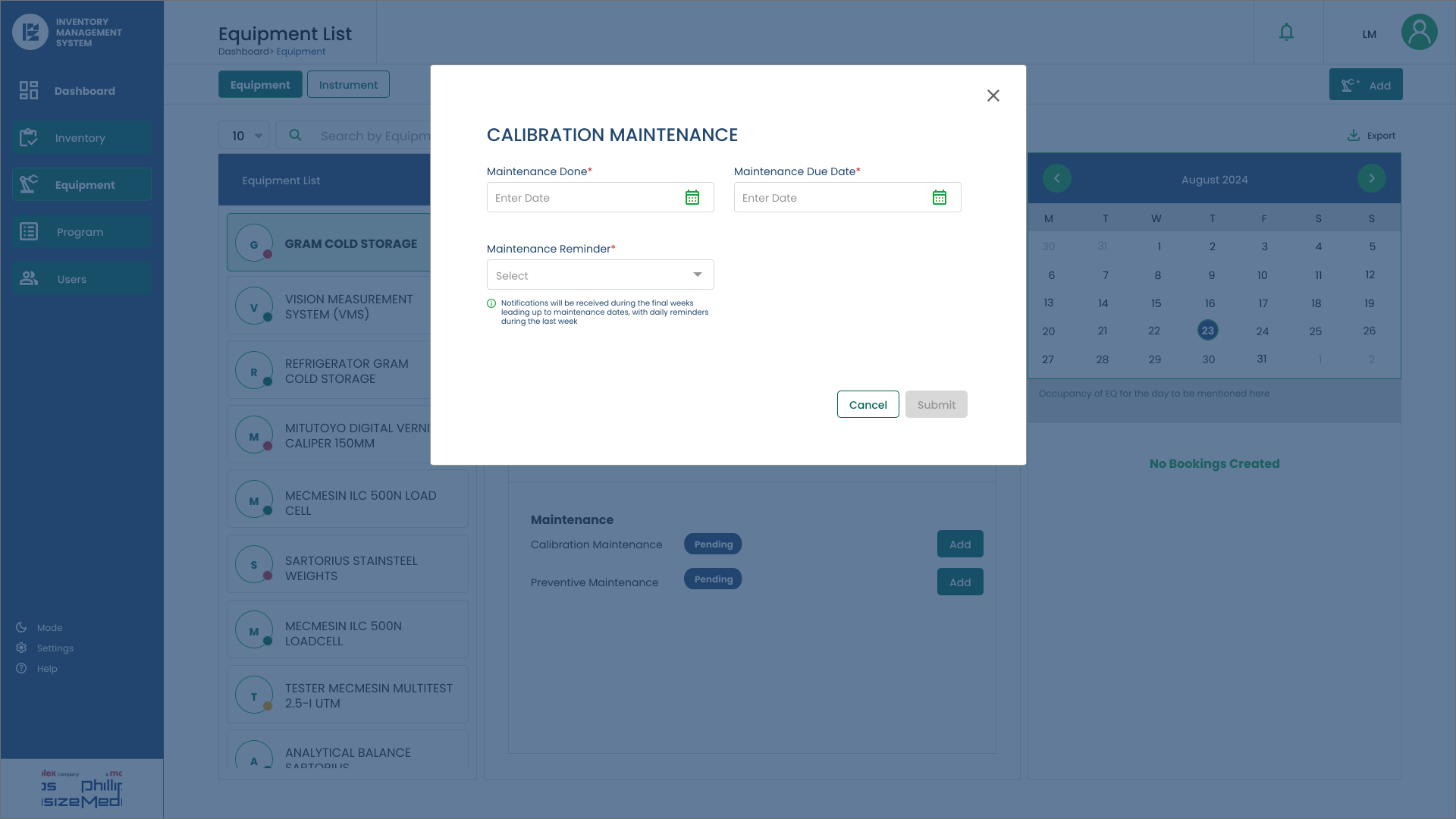
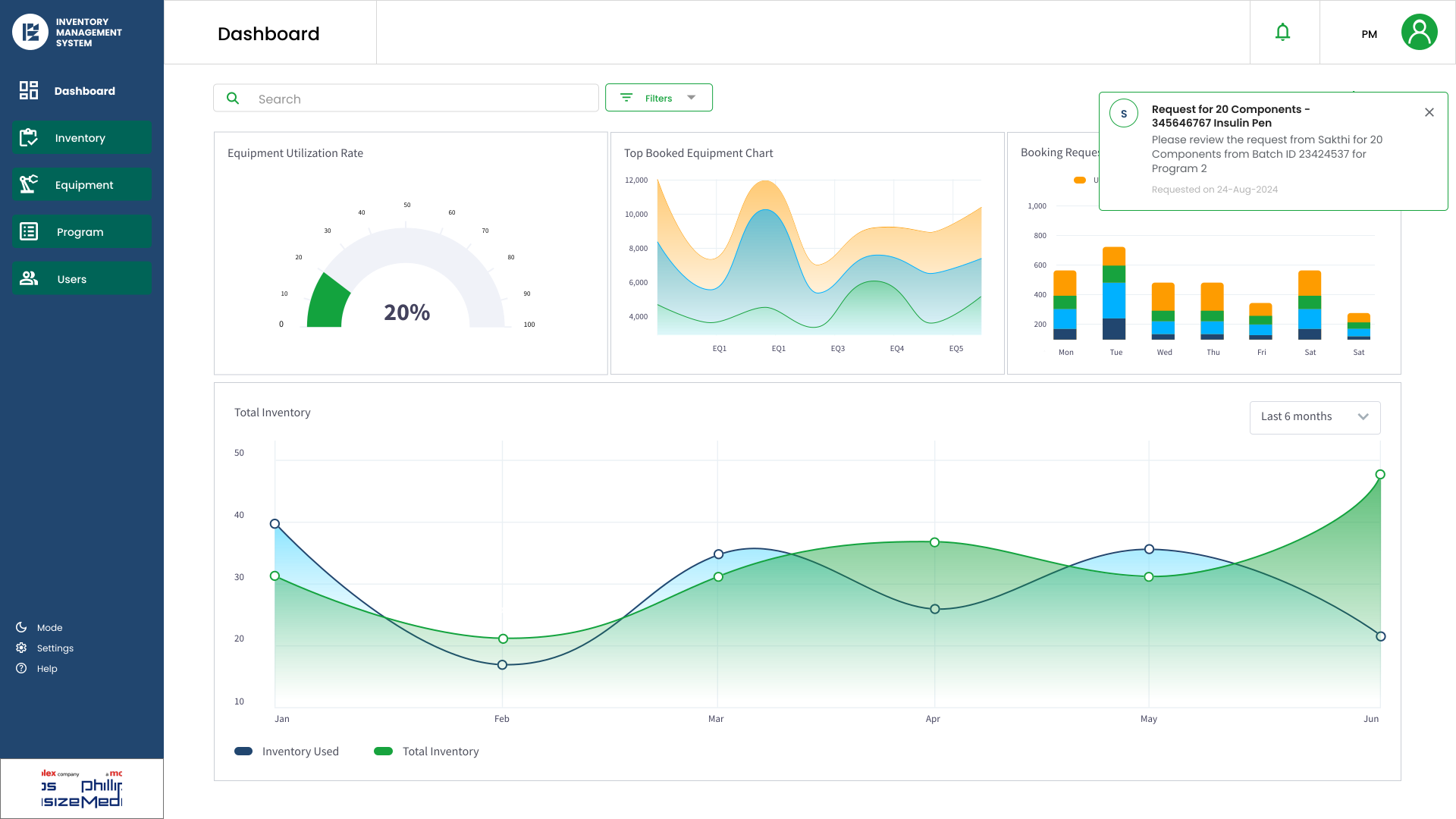
Integrated notification system (email + in-app) to replace manual SAP checks, ensuring timely preventive and calibration maintenance.
Adaptive UI (Light/Dark Mode)
Designed dual themes to support different lab lighting environments, improving usability and reducing eye strain.
Paperless Workflow
Digitized bookings, approvals, and inventory processes to reduce manual dependency and align with sustainability goals.
Usage Analytics & Insights
Delivered dashboards showing equipment utilization, booking trends, and performance metrics for informed decision-making.
Unified Vendor & User Management
Centralized vendors, suppliers, sponsors, and users into a single system for seamless access and collaboration.
Program & Responsibility Mapping
Introduced program-level tagging and ownership tracking to clearly define responsibilities across users and modules.
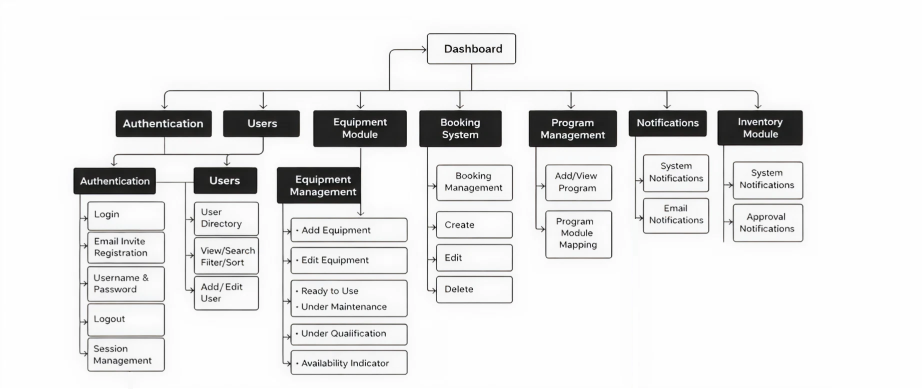
INFORMATION ARCHITECTURE
We structured the Inventory Management Systems IA, prioritizing quick task completion and minimizing cognitive load for users.
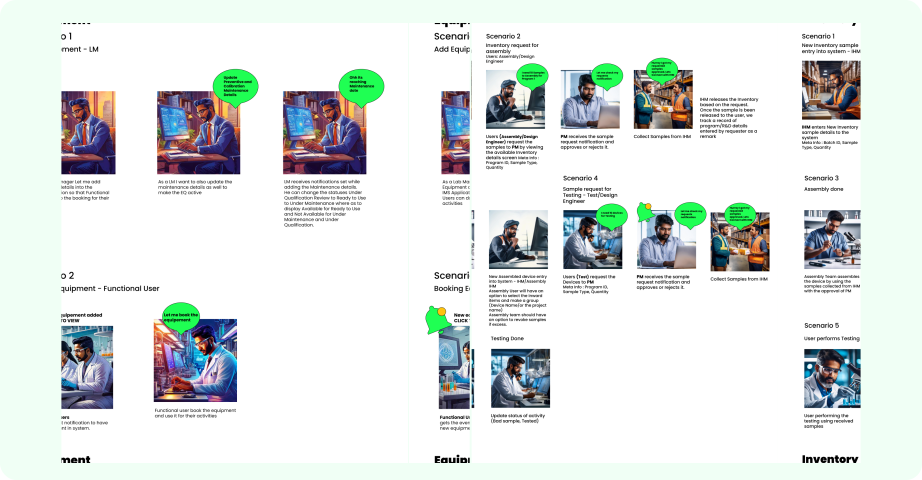
CONCEPTS
Concept flows were created to map key lab workflows such as equipment booking, inventory tracking, and maintenance helping us identify inefficiencies, streamline processes, and ensure a seamless, system-driven experience.
05 DESIGN
Design Insights
Clear principles kept our UX unified and purpose-driven, helping the team move fast without losing focus.
Clarity over Complexity
We chose clean layouts and plain language so users could understand issues without deep security knowledge.
Action First UX
Each result gave a clear next step suggested fixes or copyable code to speed up resolution and action.
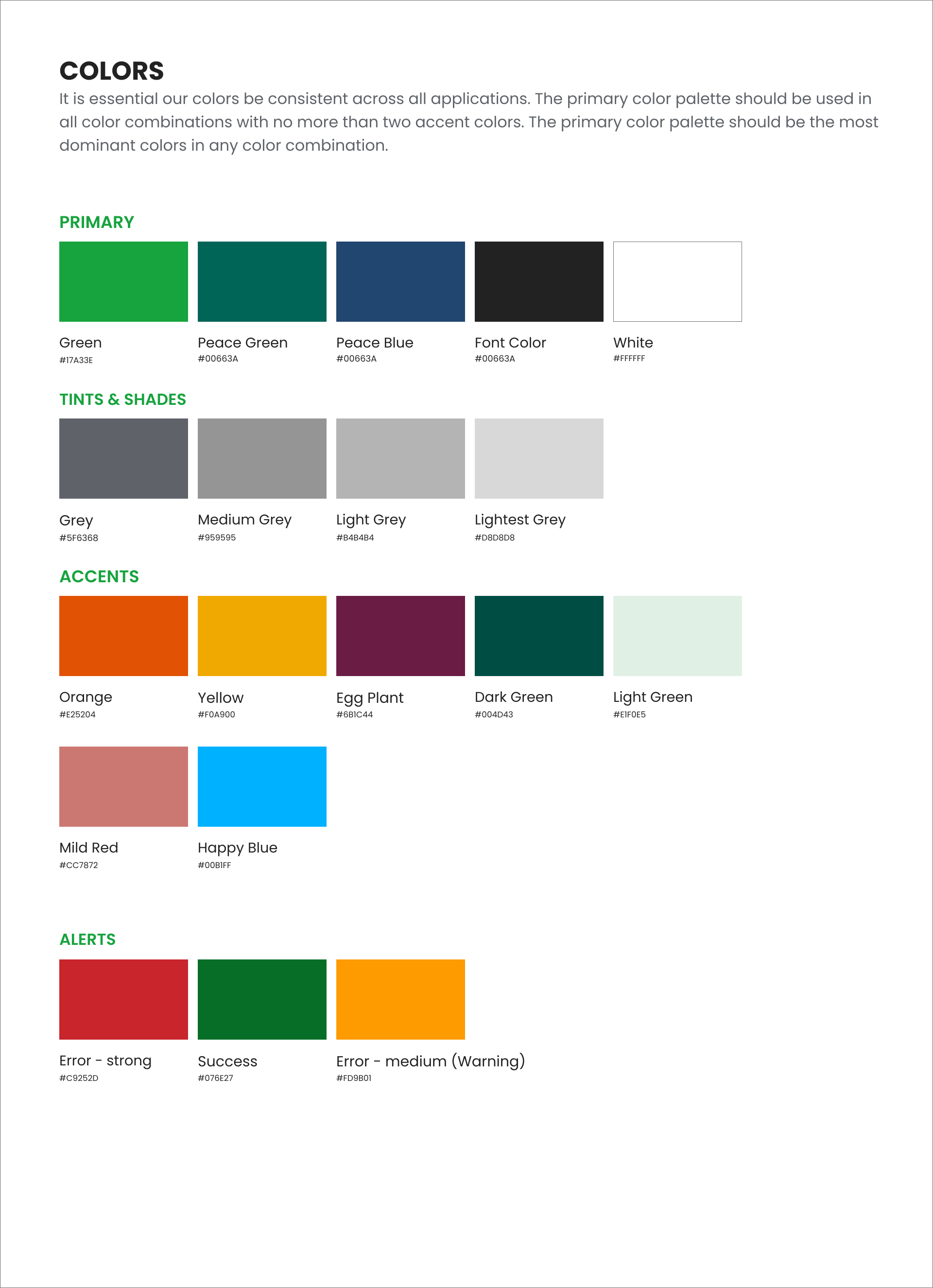
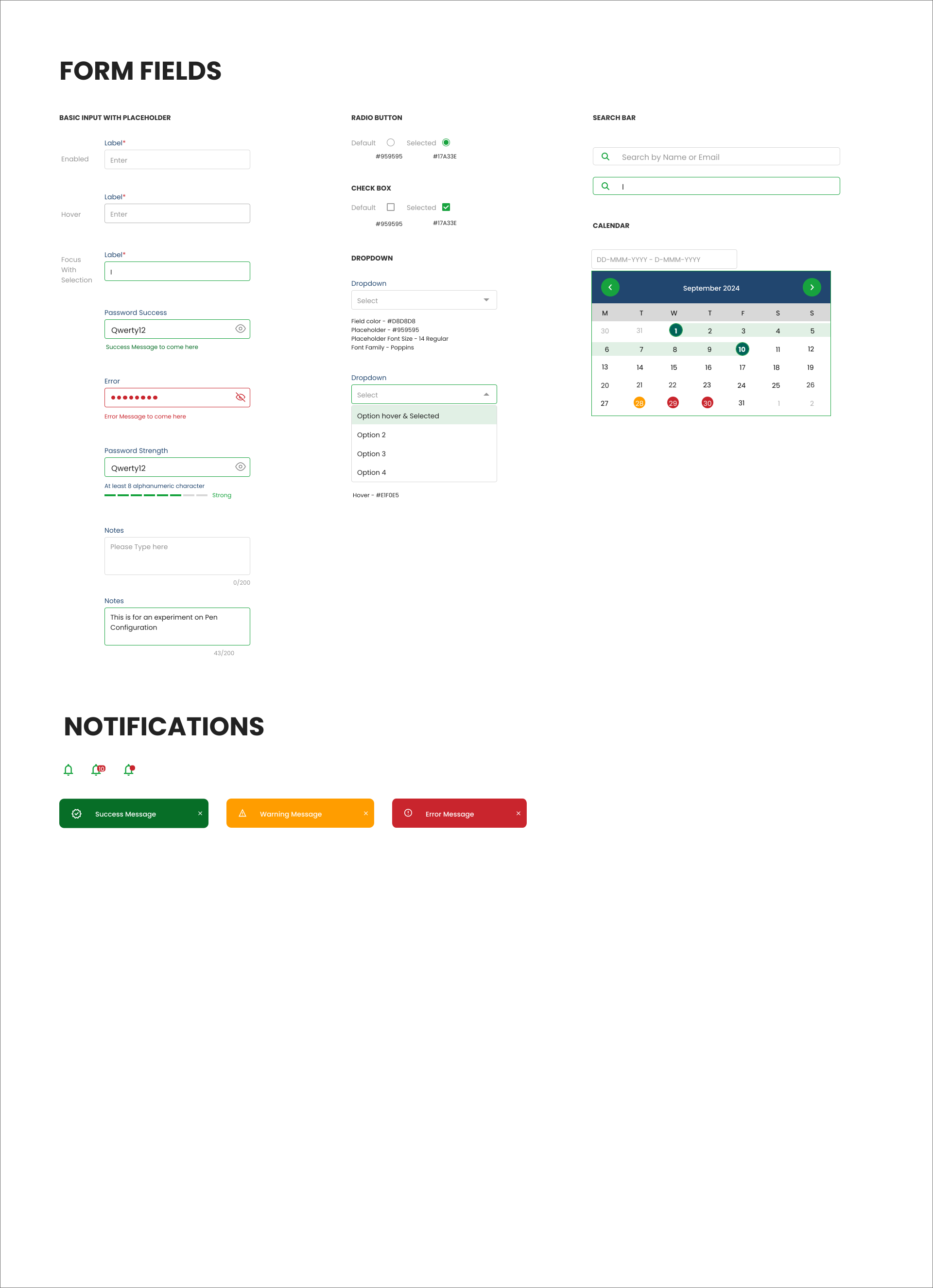
DESIGN SYSTEM
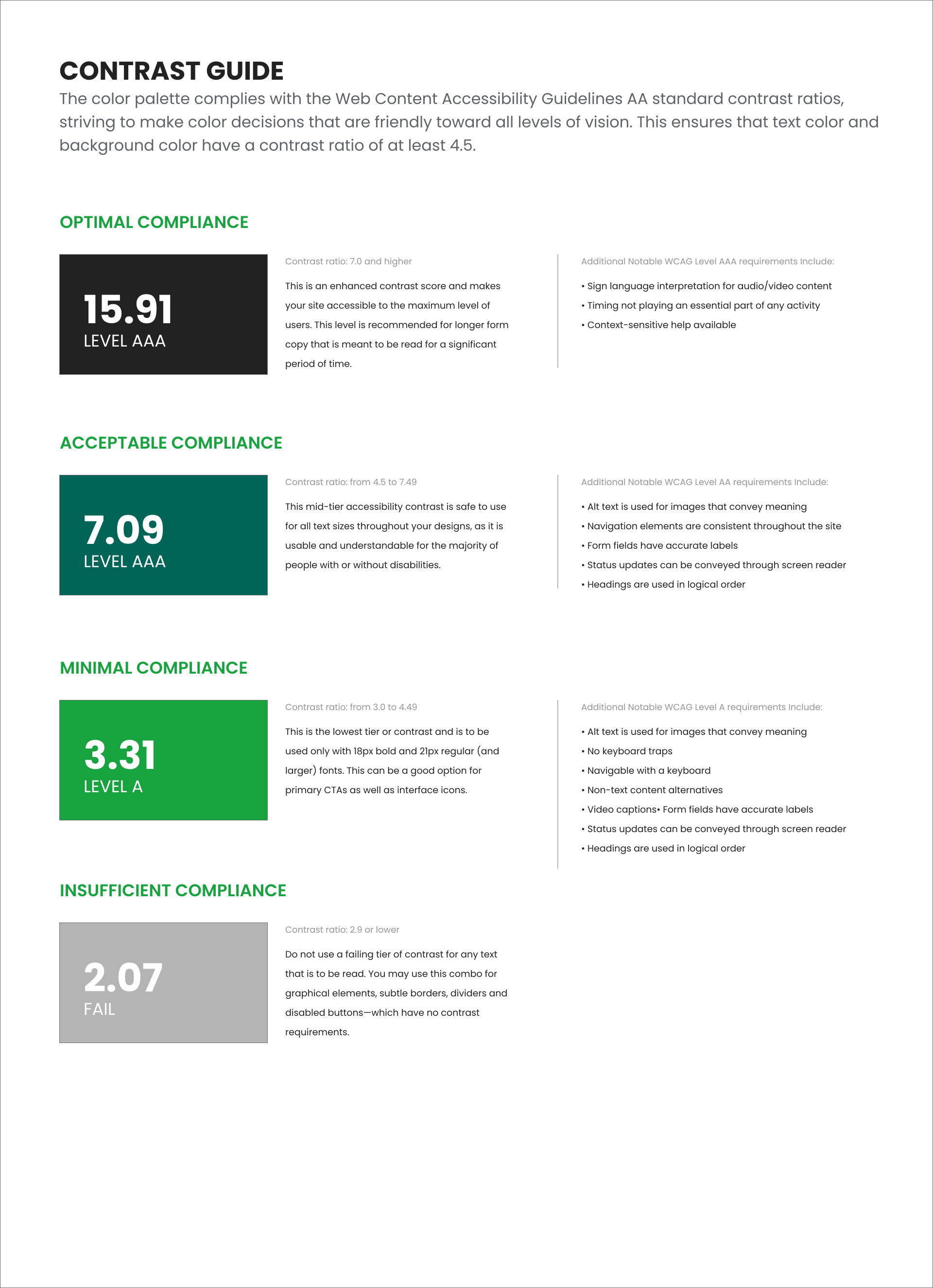
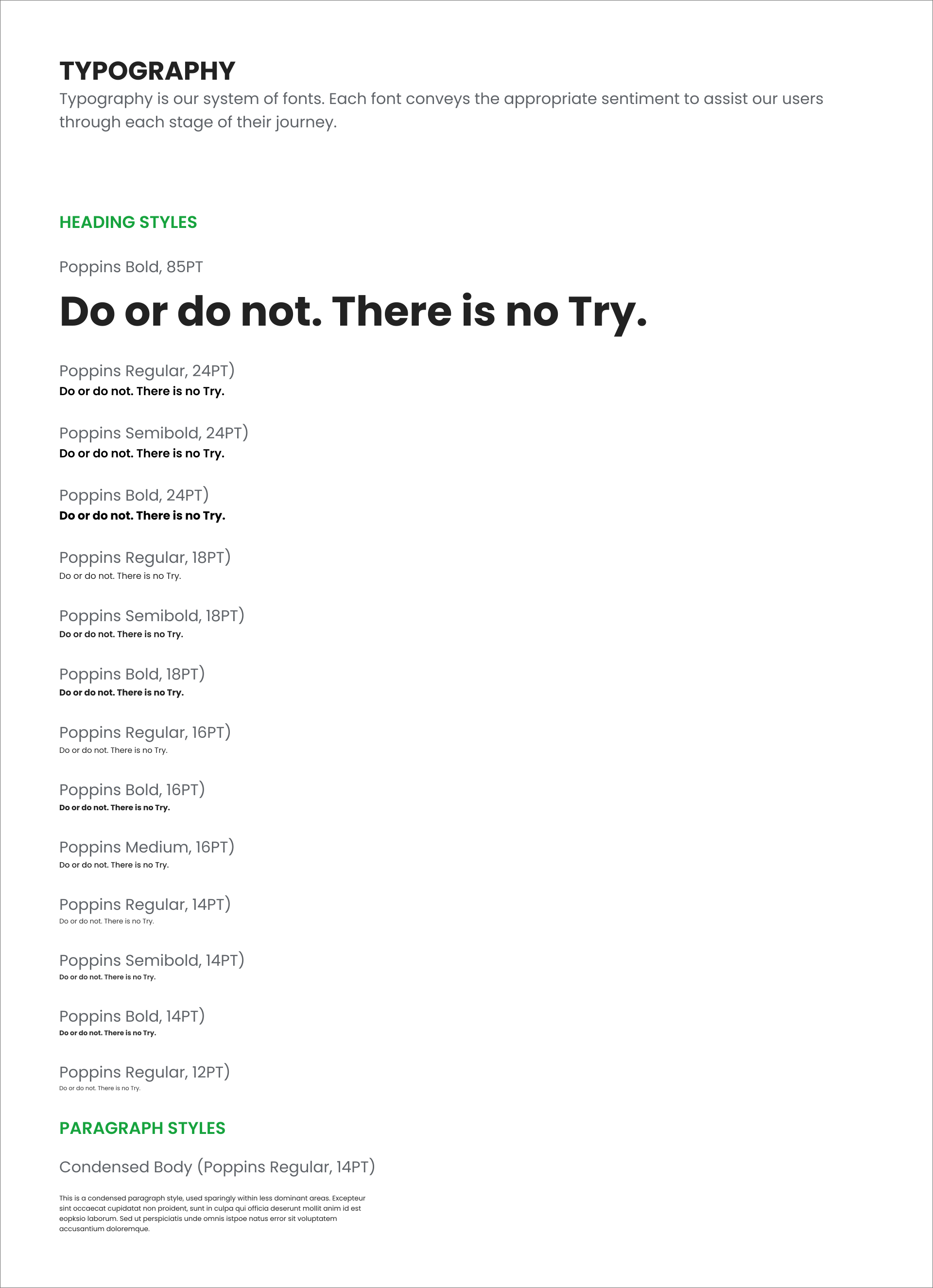
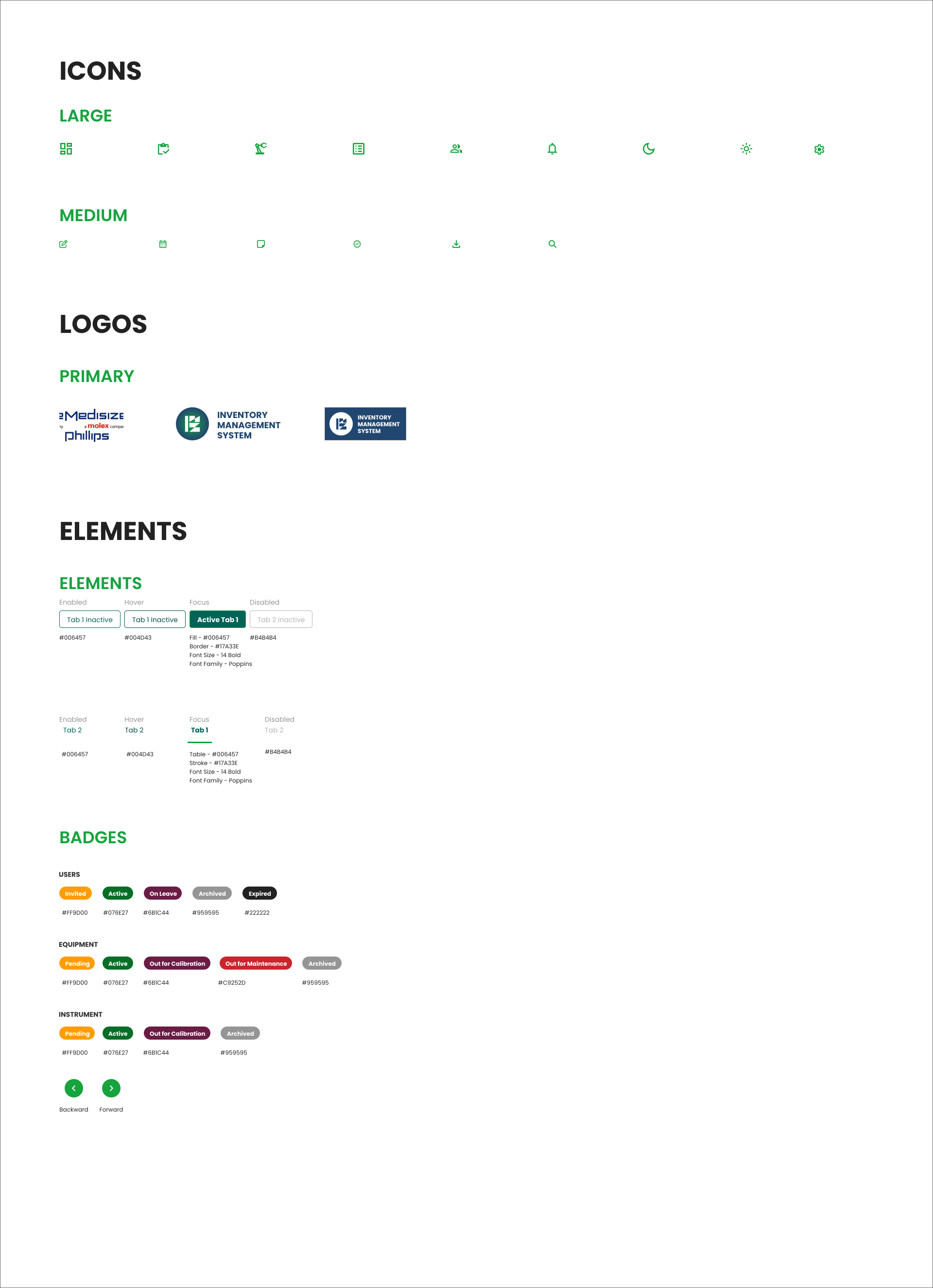
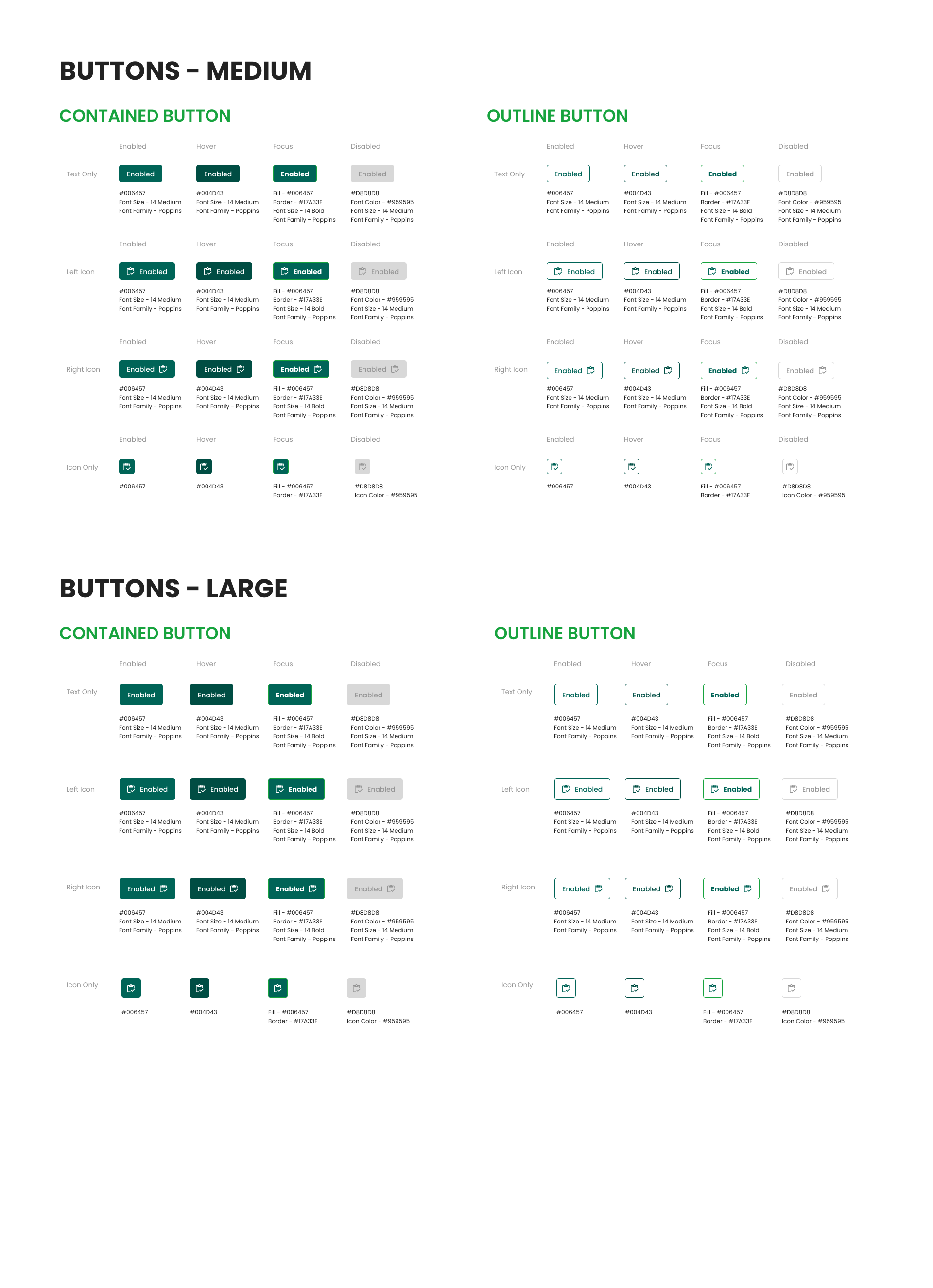
Design system was created using brand colors and typography to ensure consistency, scalability, and faster development.
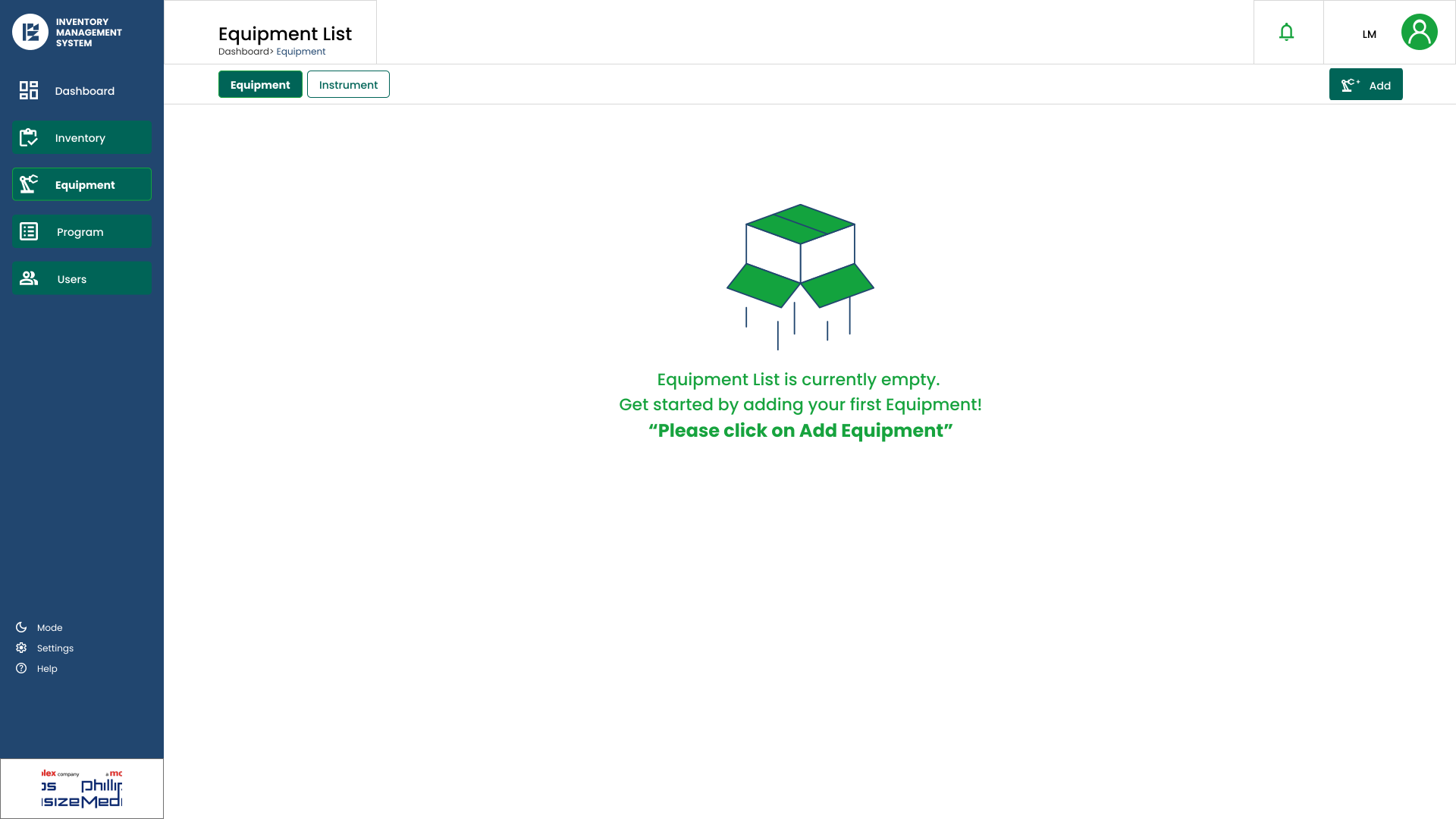
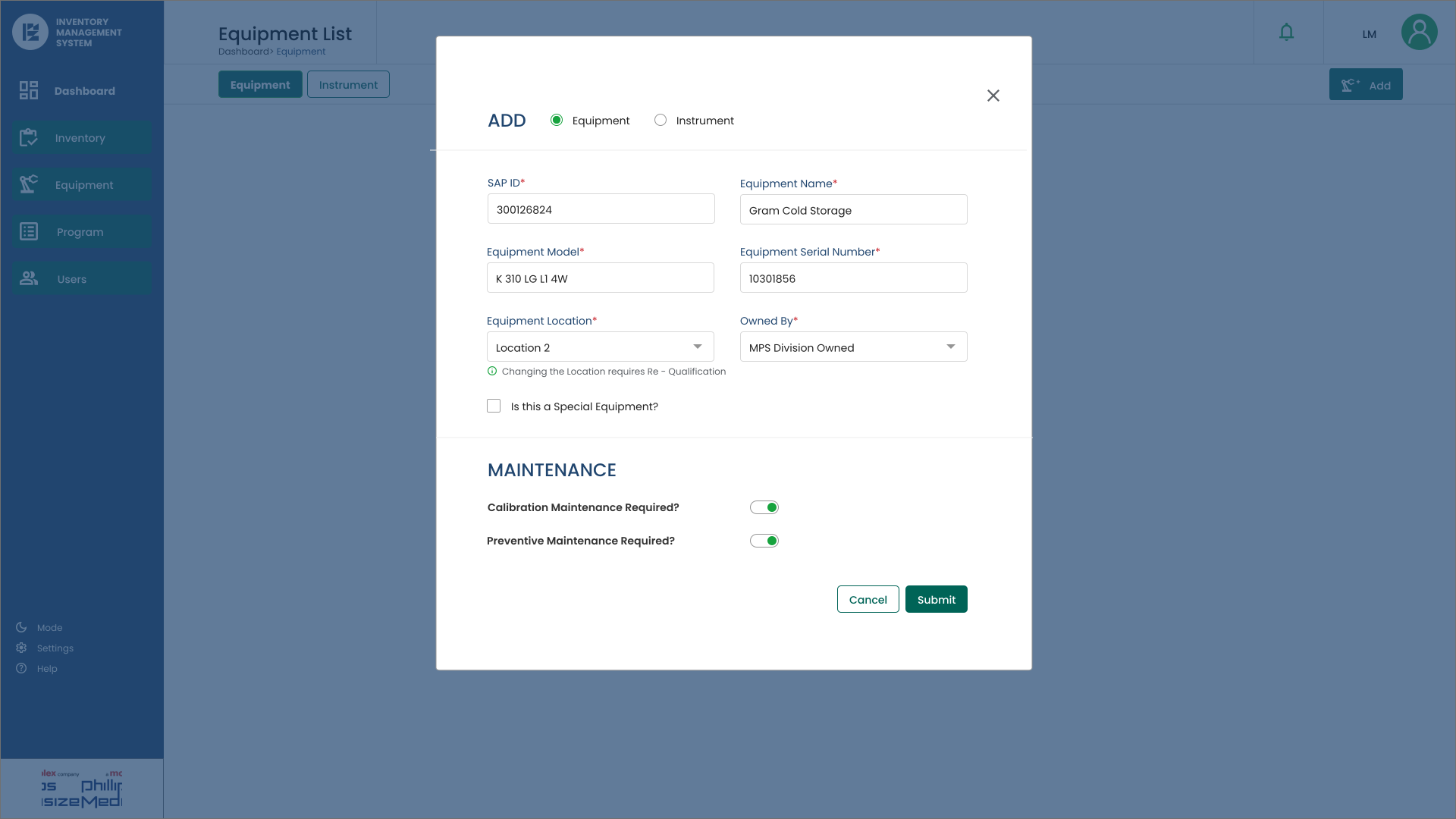
Add Equipment
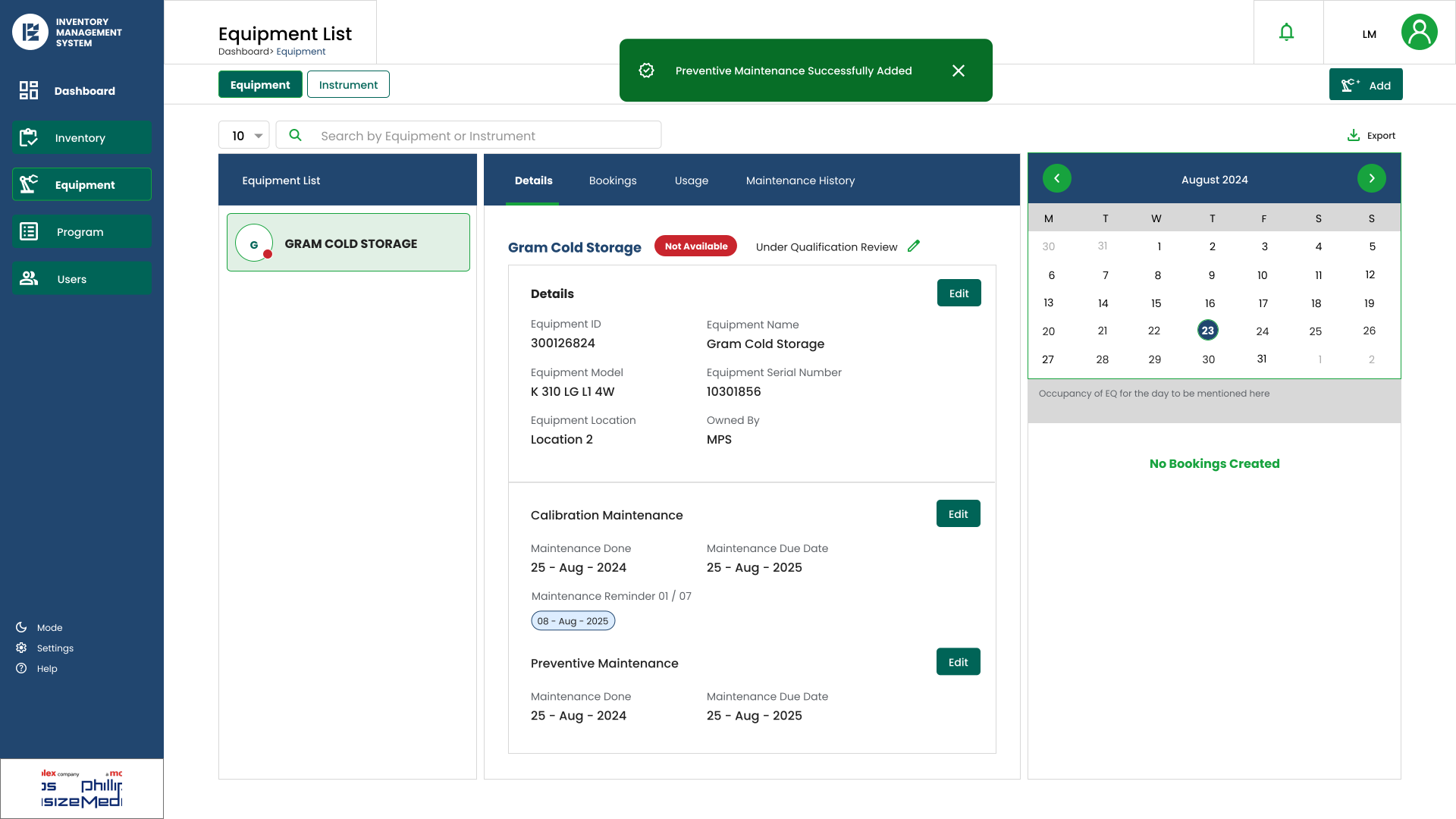
Book Equipment
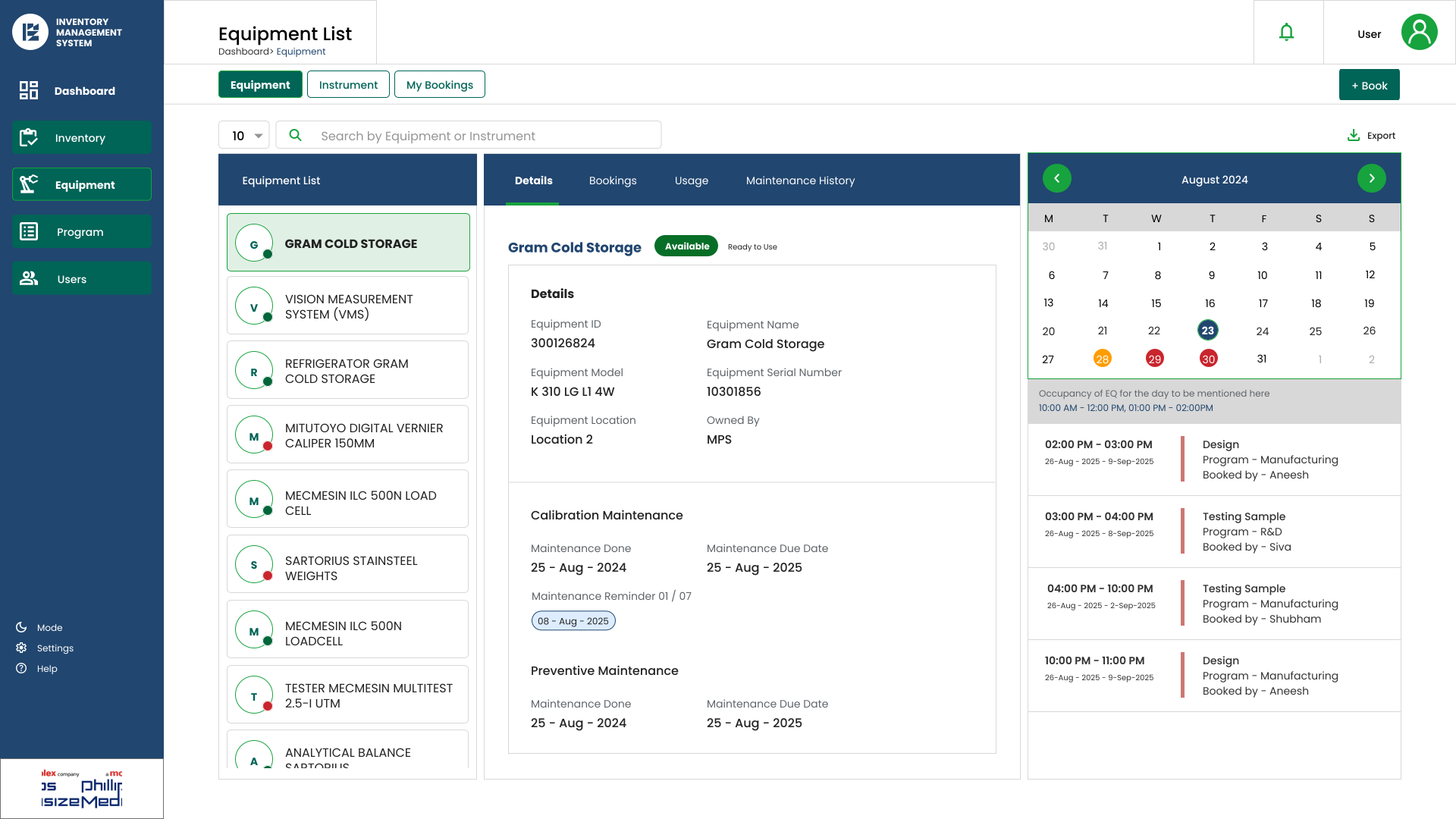
Add Inventory
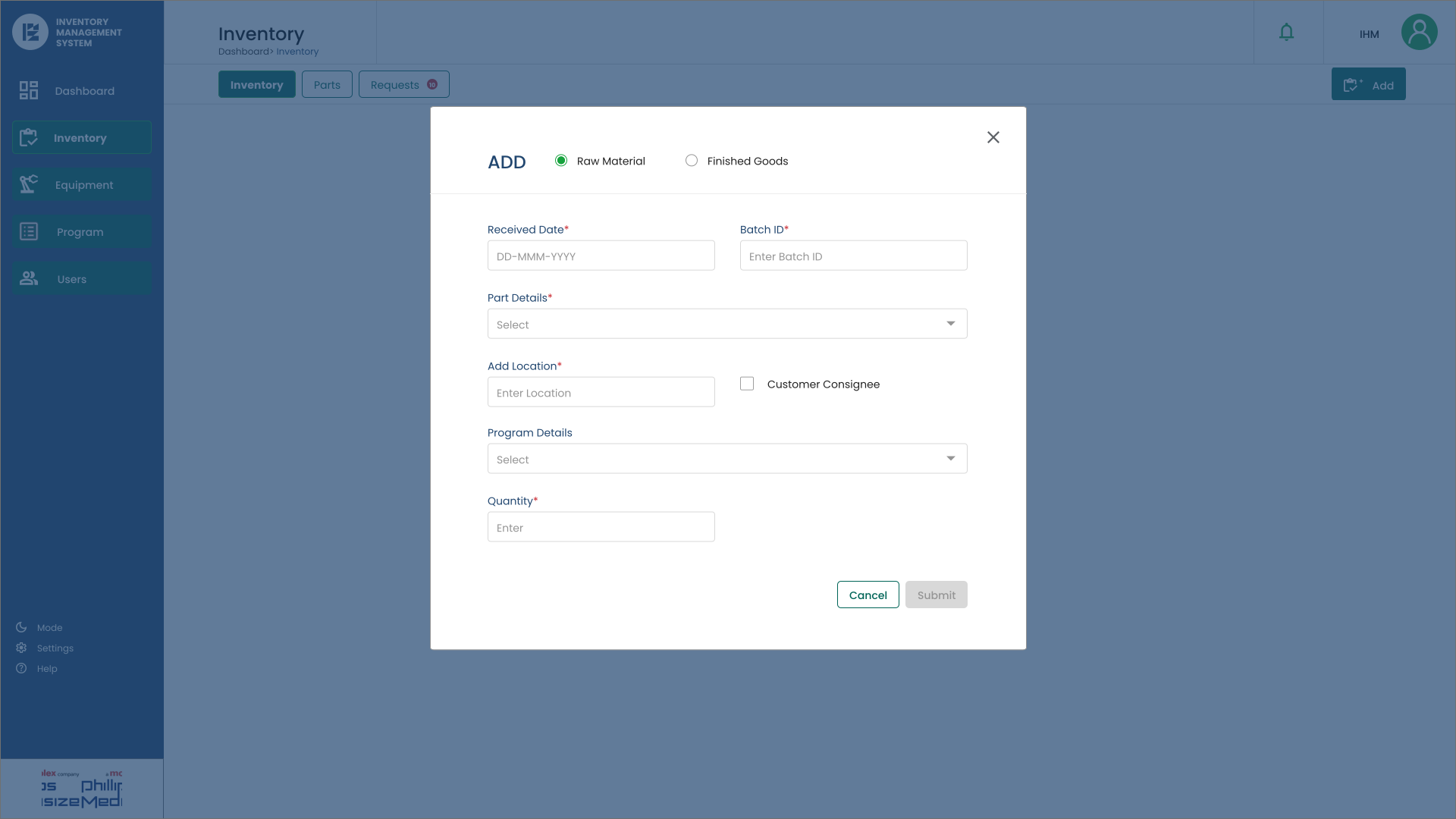
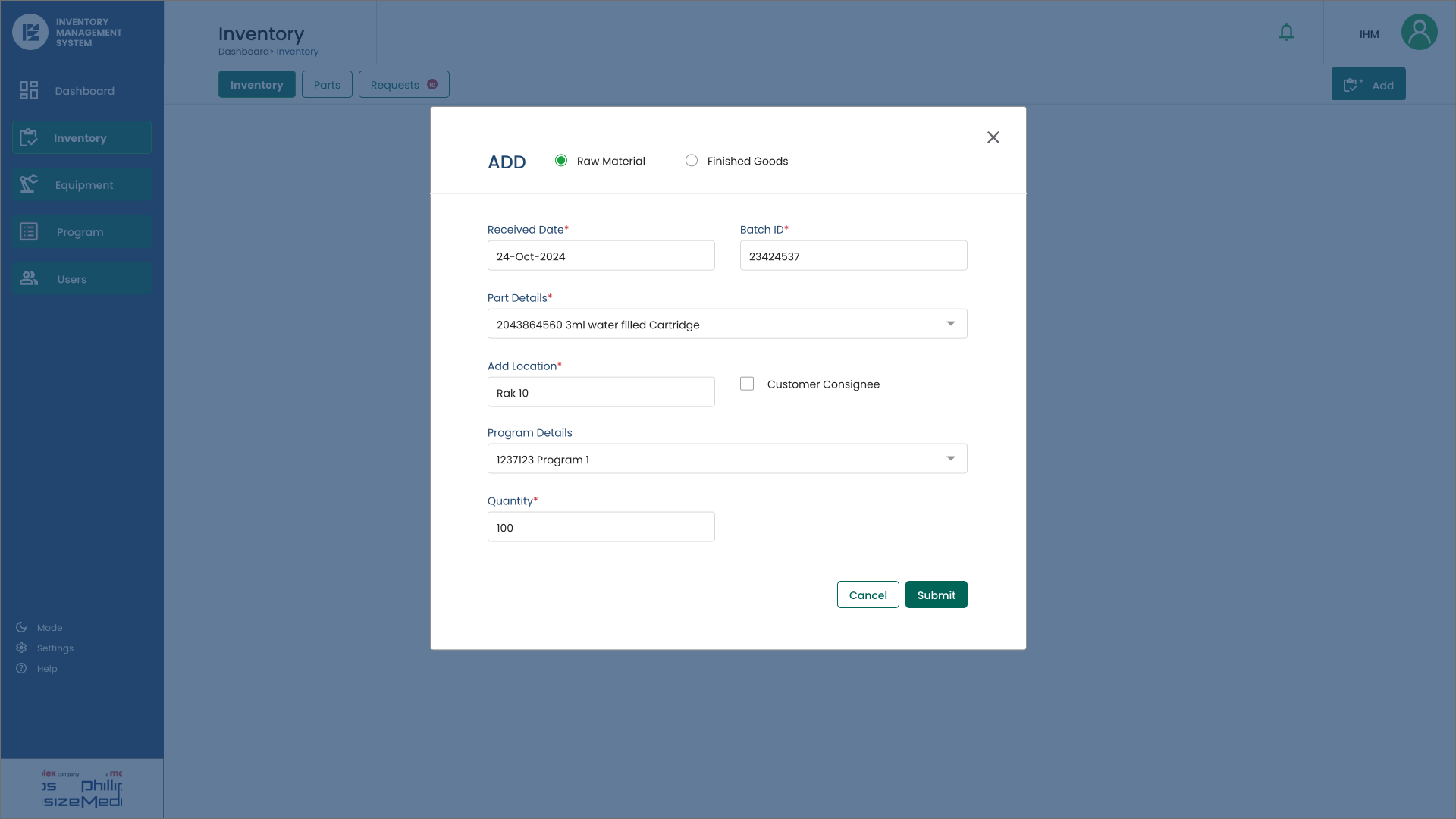
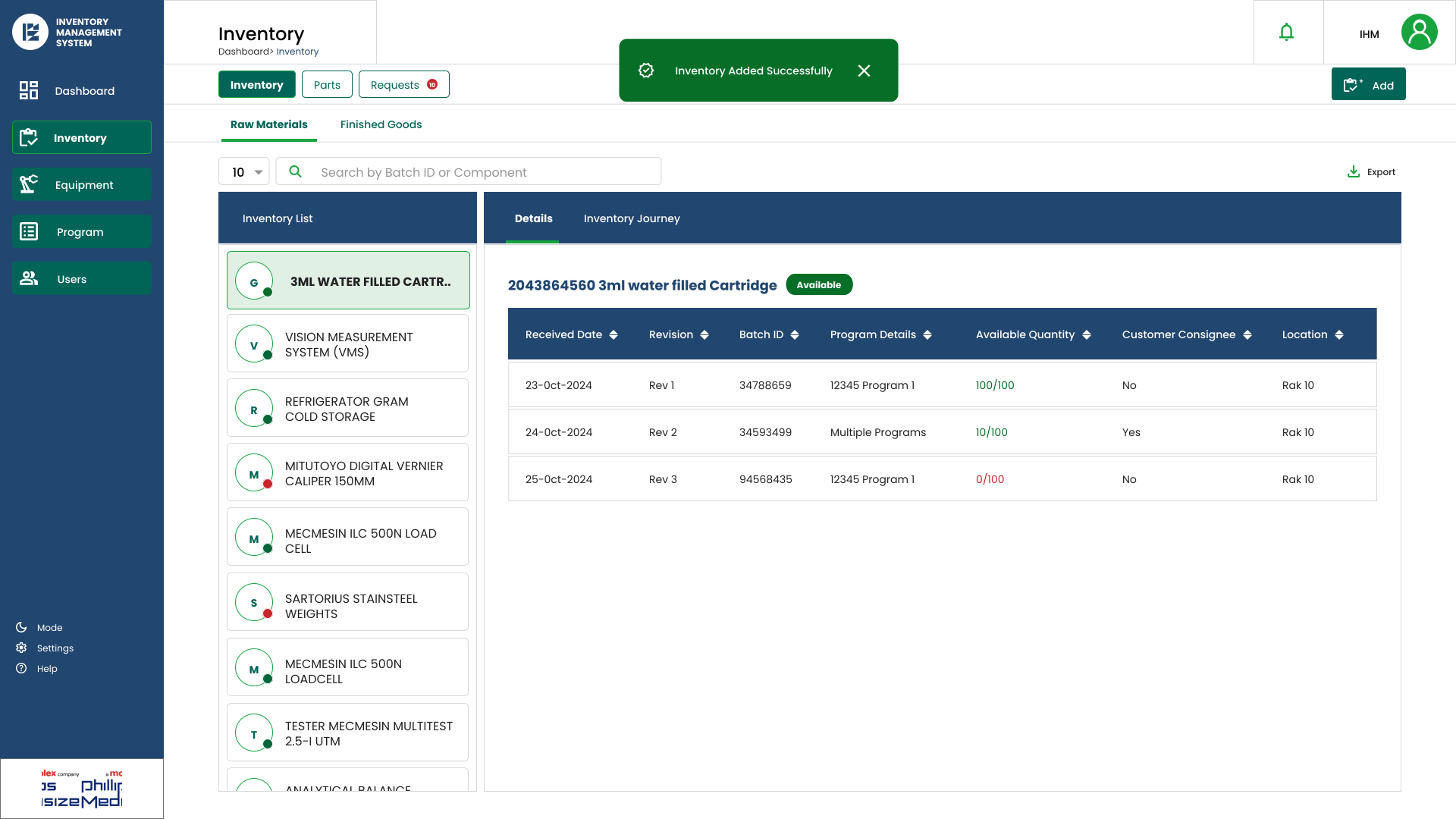
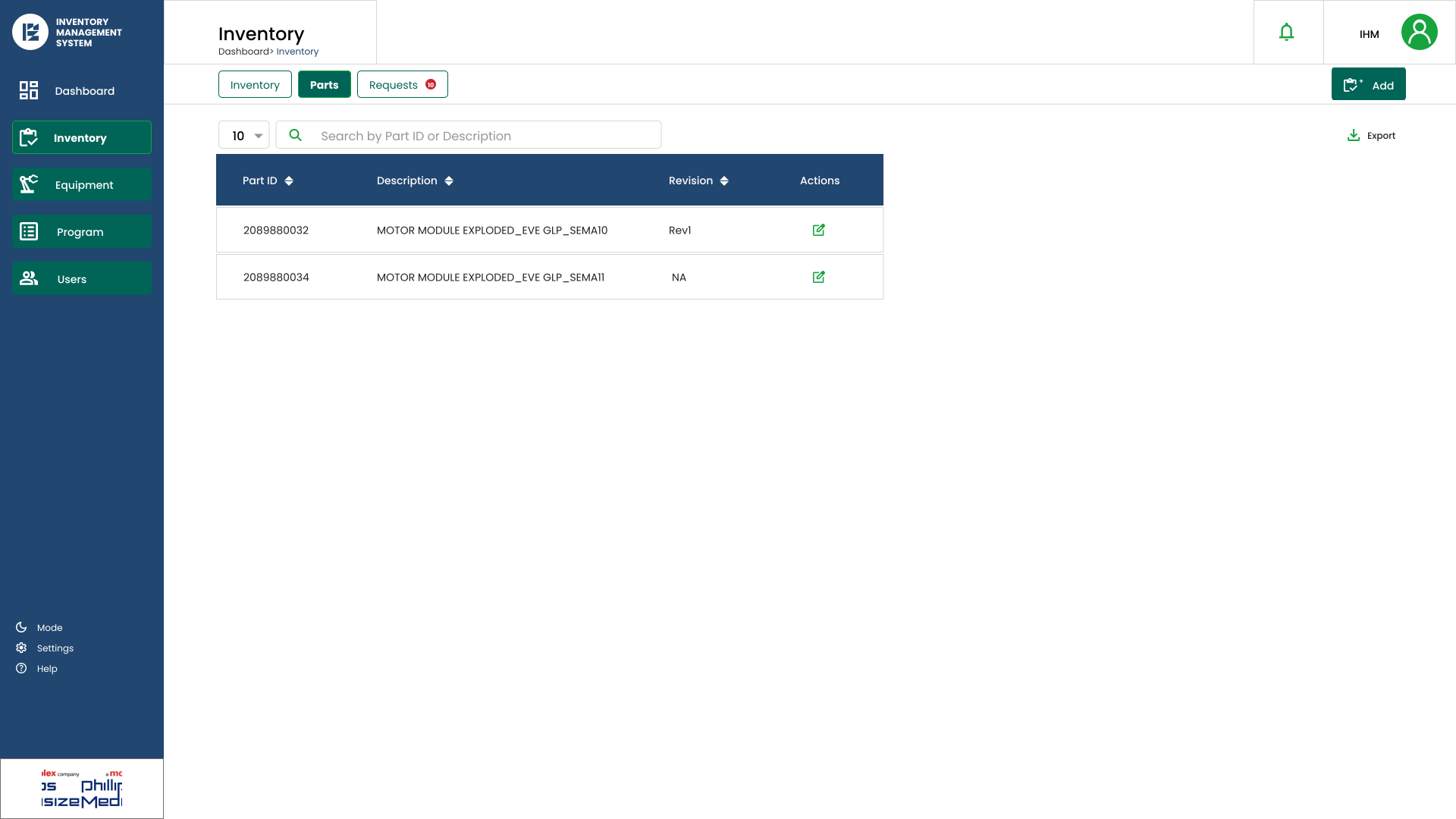
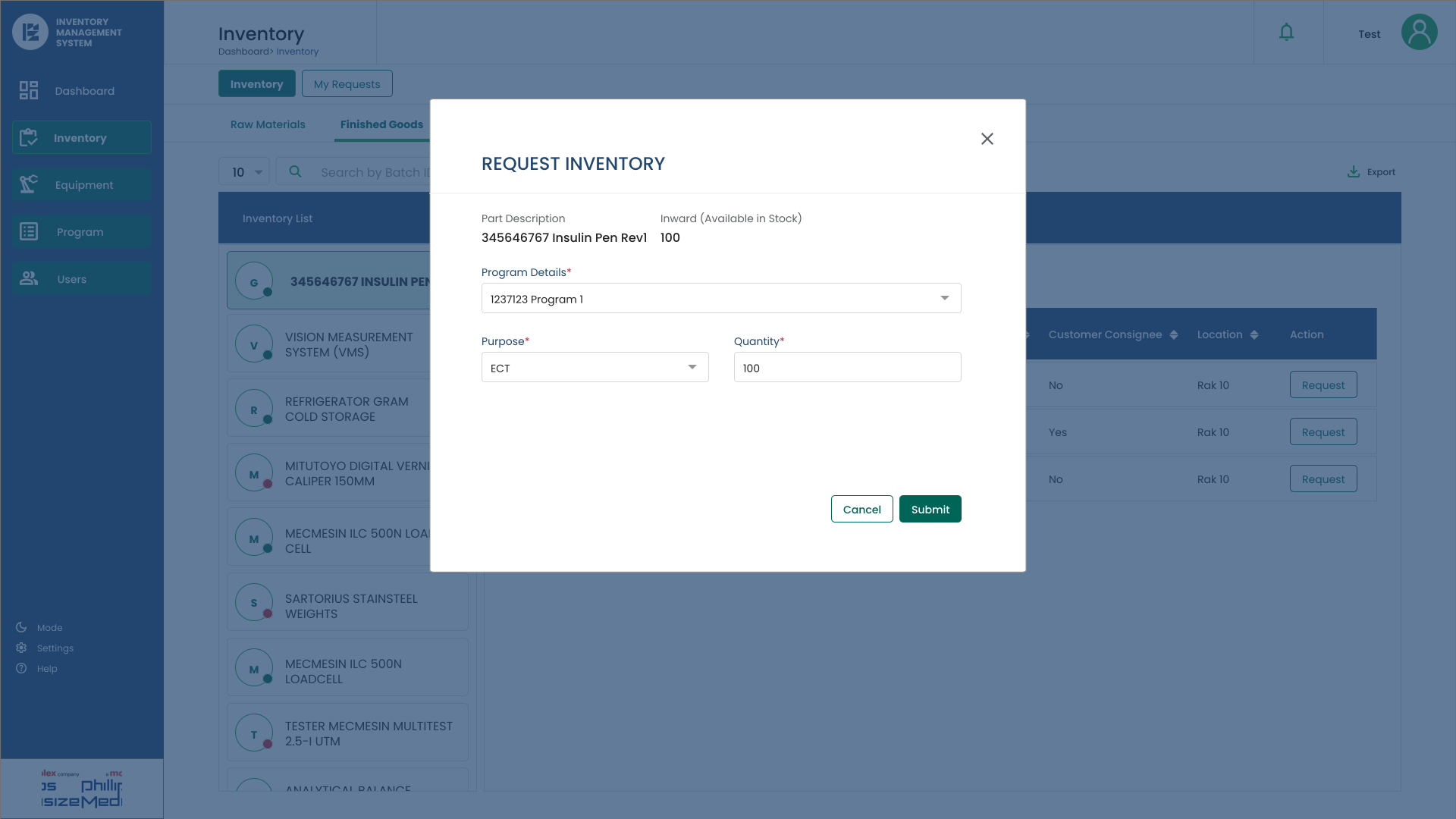
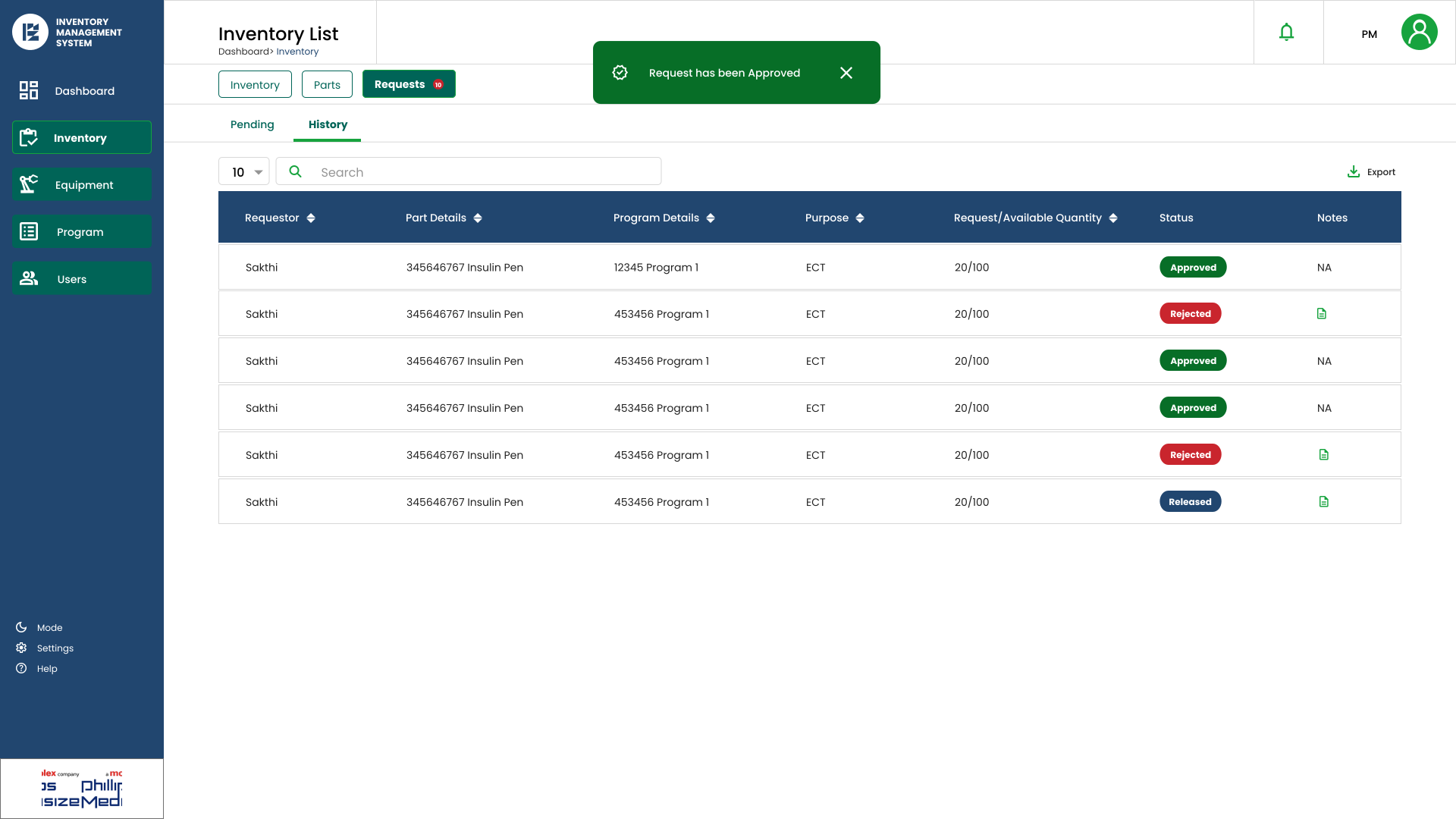
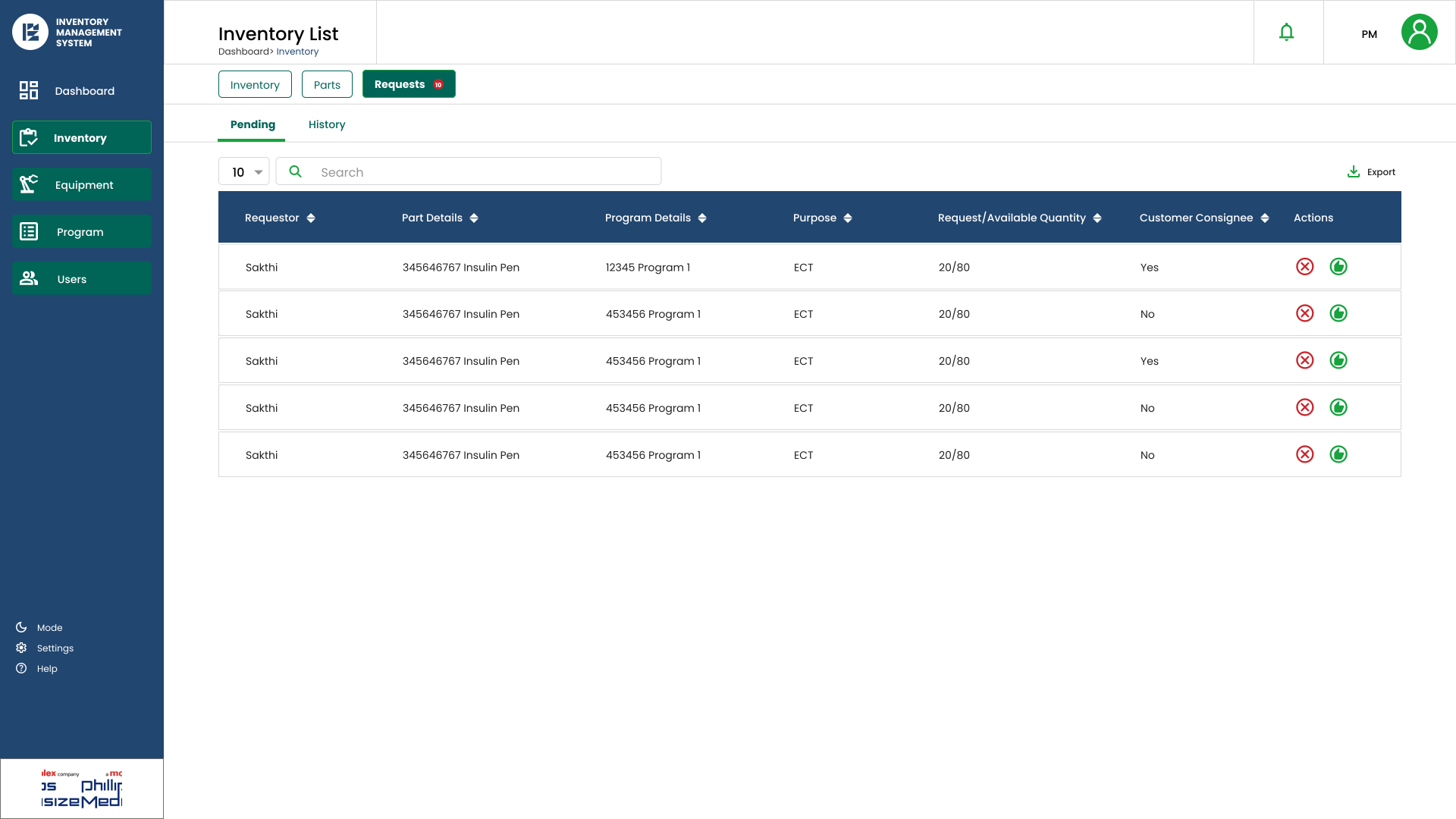
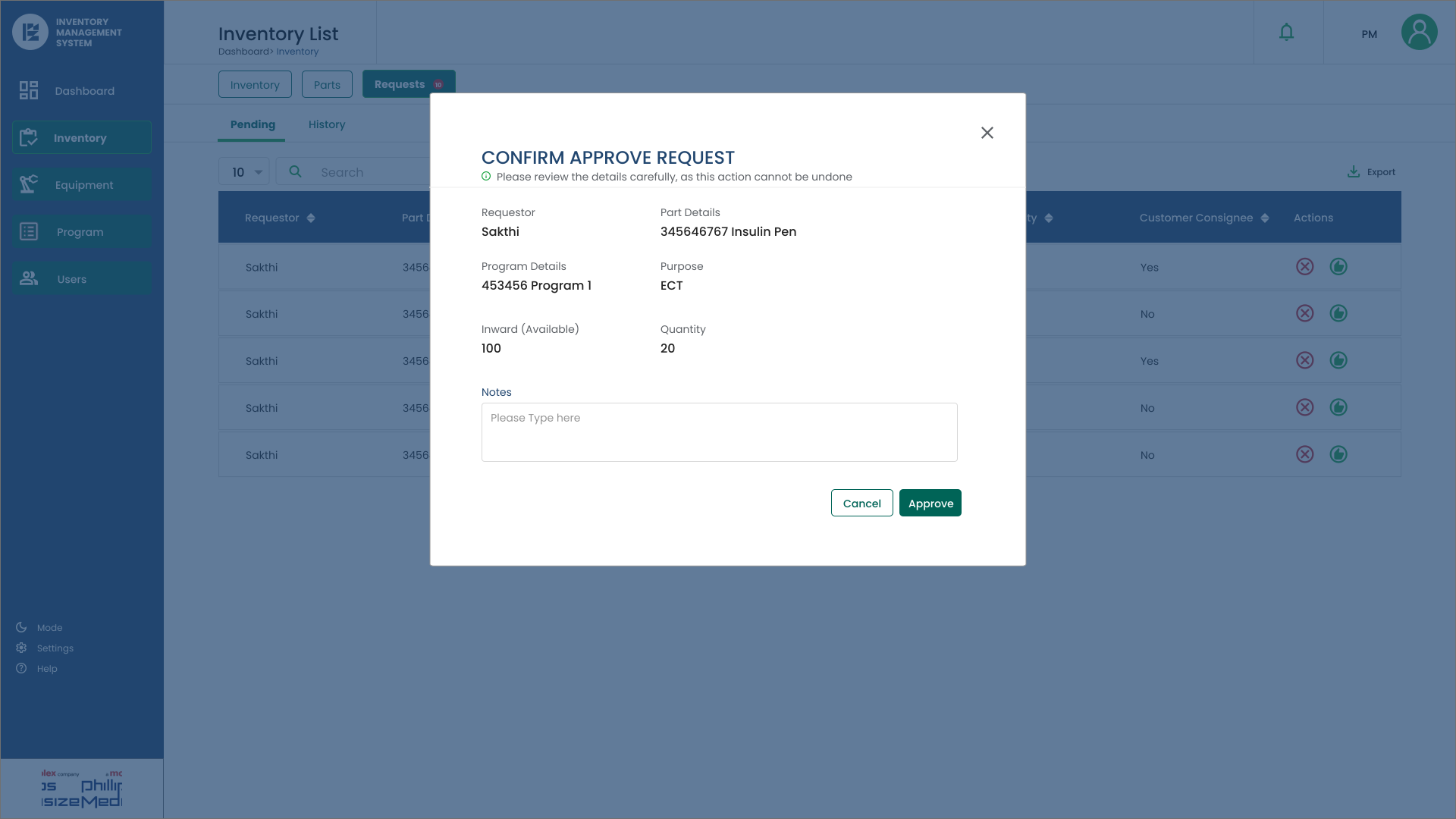
Approve Inventory
06 USABILITY TESTING
Test and Iterate
We conducted moderated usability testing with a sample size of six participants to deeply understand how users interact with the system in real-world scenarios. Each session was facilitated, where users were guided through key tasks such as booking equipment and managing inventory, in person with in their environment.
What worked
Most of the Inventory feature was a success in the test.
Users were able to do a seamless booking
Functional Users were happy about most of the features related to the day to day activities
What didn't work
Register and Login Process
Maintenance Reminder intervals
UI theme
Recommendations
Login pain points can be improved by SSO
Having more frequent Maintenance Reminder notifications
Implementing the dark theme in the current phase
07 REFLECTION
Journey Ends
This journey challenged my adaptability and sharpened my focus, pushing me to grow in ways I didn't anticipate. Here are a few standout moments.
Winning Moments
- Reduced tracking effort by ~30-40%
- Improved task completion time by 60%
- Reduced manual dependency on paper logs
improved operational efficiency - Centralized inventory system
improved cross-team visibility - Reduced time spent tracking equipment
usage and maintenance - Improved decision-making for lab managers
through better tracking - Reduced cognitive load
by simplifying workflows
Lessons Learned
- Enterprise tools require workflow clarity
over visual polish - Stakeholder alignment is more critical
than UI perfection - Early system thinking
(SAP integration gap) prevents rework - Skipping low-fi wireframes worked here
but risky in other contexts - Real-world constraint: legacy systems
(SAP) dictate UX decisions